WARNING: This product contains nicotine. Nicotine is an addictive chemical. Our products are restricted to
adults 21+ only.

Leave Your Message
-
E-mail
-
Whatsapp
-
Wechat

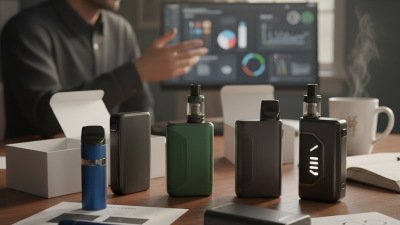
Choosing the right Vape Pen for global sourcing requires more than comparing prices and appearance. Buyers must evaluate product safety, manufacturing consistency, documentation, and regional suitability. A polished sample may look impressive under showroom lights, yet fail after repeated charging or transport. Real sourcing decisions begin with evidence.
A reliable supplier should provide clear specifications for battery capacity, materials, charging ports, heating components, and packaging. Factory audits can reveal practical details, such as clean assembly areas, traceable components, and controlled inspection procedures. Request recent test reports and verify whether recognized laboratories issued them. Certifications should match the destination market, not simply decorate a product catalog. Local import rules, labeling requirements, recycling obligations, and battery transport standards also deserve careful review.
Small details matter. Check connector alignment, surface finish, button response, and package protection. Ask how defective units are recorded and replaced. Ask difficult questions. Good suppliers answer with records, not vague promises. However, no checklist is perfect. A successful factory visit cannot guarantee every future shipment will meet the same standard. Production changes, subcontracting, and raw material shortages can quietly affect quality.
For global buyers, the best Vape Pen is not always the cheapest or most powerful model. It is the product supported by transparent communication, repeatable quality control, and responsible compliance management. Build a sample-testing plan, document every requirement, and review the supplier before placing a large order. Laws and technical standards can change, so professional advice in each target market remains important. Careful sourcing takes longer. It usually prevents more expensive mistakes.
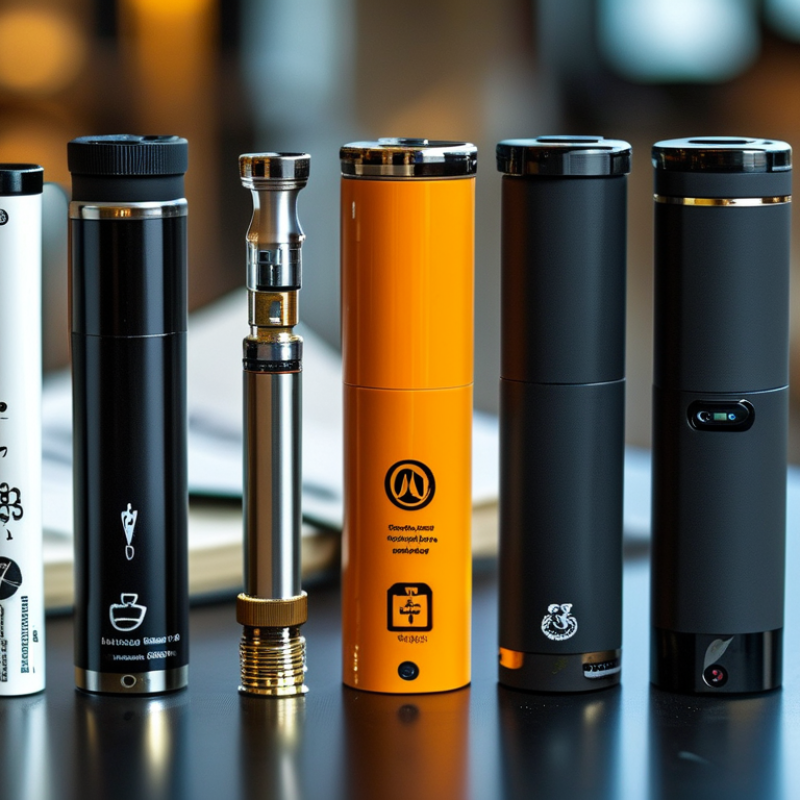
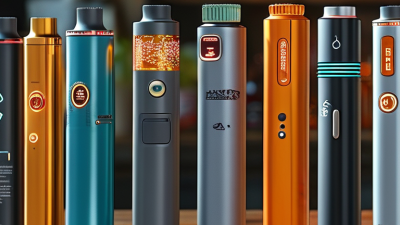
Choosing a vape pen for global sourcing starts with defining its intended use. A compact disposable model suits short-term convenience. A rechargeable cartridge pen supports repeated use and lower packaging waste. Refillable liquid devices offer more control, but they require careful filling instructions. Product design should match user habits, climate, and maintenance expectations.
Global markets rarely share identical requirements. Check battery safety, electrical testing, child-resistant packaging, labeling, and ingredient disclosure before placing an order. Some markets restrict nicotine strength, advertising claims, flavors, or import channels. Confirm current rules with qualified local advisors. A supplier should provide traceable test reports, stable production records, and clear quality-control procedures. Ask for samples. Test leakage, charging performance, airflow, mouthpiece fit, and battery life at different temperatures. Small details matter.
Tips: Build a market-by-market checklist before comparing prices. Request samples from more than one production batch. Inspect seals after shipping simulations. I once underestimated storage heat; the device performed well indoors but leaked after warm transport. That mistake showed why laboratory results cannot replace field testing. Also review disposal instructions, recycling options, warranty handling, and multilingual labels. A low unit price may hide compliance costs, returns, or inconsistent components. Reliable sourcing depends on evidence, not attractive specifications alone.
| Vape Pen Type | Typical Use | Core Specifications | Power and Battery Profile | Consumable Format | Main Sourcing Advantages | Key Quality-Control Points | Global Market and Compliance Considerations |
|---|---|---|---|---|---|---|---|
| Disposable Nicotine Vape Pen | Single-use, prefilled nicotine vapor products designed for convenience and portability. | Compact sealed body; integrated coil; draw-activated airflow; no refill port; commonly designed for a fixed puff capacity. | Integrated rechargeable or non-rechargeable lithium battery, depending on design. Output is generally controlled by the internal circuit. | Factory-filled e-liquid reservoir with a fixed nicotine concentration and flavor profile. | Simple user operation, low assembly complexity, consistent factory filling, and reduced consumer maintenance. | Check leakage resistance, activation consistency, e-liquid fill accuracy, battery safety, airflow stability, coil performance, and end-of-life behavior. | Disposable products may face additional environmental, waste, recycling, or market-access restrictions. Nicotine limits, packaging rules, health warnings, and product notification requirements vary by destination. |
| Closed-System Pod Pen | Regular nicotine use with replaceable prefilled pods and a reusable battery device. | Draw-activated or button-activated body; magnetic or mechanical pod connection; integrated airflow path; replaceable sealed cartridge. | Typically uses a built-in rechargeable lithium-ion battery with USB charging and electronic overcharge, over-discharge, and short-circuit protection. | Prefilled, non-refillable pod containing e-liquid; pod capacity and nicotine strength depend on local regulations. | More durable than a disposable device, predictable flavor delivery, and easier inventory separation between hardware and consumables. | Verify pod-to-device fit, electrical contact reliability, condensation control, seal quality, charging protection, and resistance to accidental activation. | Products containing nicotine may require local product notification, age-restricted sales controls, ingredient disclosure, child-resistant packaging, and prescribed warning statements. |
| Open-System Refillable Pod Pen | Refillable vaping for users who want to select e-liquid flavors, nicotine levels, and formulations. | Refillable pod or small tank; silicone fill plug; replaceable or integrated coil; adjustable or fixed airflow. | Usually powered by a built-in rechargeable battery. Many models provide regulated output and USB-C charging. | User-filled e-liquid reservoir. Capacity, refill-container size, and nicotine concentration must be adapted to the target market. | Lower recurring hardware cost, flexible private-label configurations, and compatibility with multiple e-liquid formulations. | Test fill-port sealing, coil resistance, leak rate, pod lifespan, flavor consistency, battery cycle life, and charging temperature. | In the European Union, nicotine-containing refill containers are subject to restrictions including a maximum nicotine concentration of 20 mg/mL, while refill containers are generally limited to 10 mL and cartridges or tanks to 2 mL under the Tobacco Products Directive framework. Confirm current national implementation before sourcing. |
| 510-Thread Cartridge Battery Pen | Use with compatible oil or e-liquid cartridges that use a standardized 510 screw connection. | 510 threaded connector; button or draw activation; fixed or variable voltage; cartridge detection and short-circuit protection. | Common battery capacities are approximately 350–1000 mAh, depending on body size and output requirements. USB charging is common. | Replaceable 510 cartridges, which may be prefilled or filled by the consumer where permitted. | Broad cartridge compatibility, modular inventory, and easier separation of the battery from the consumable component. | Check thread dimensions, connector depth, contact-pin travel, cartridge fit, oil leakage, preheat performance, voltage accuracy, and battery protection. | Oil, cannabis, and nicotine products are regulated differently across jurisdictions. The legality of the cartridge contents must be assessed independently from the hardware. Avoid making medical or therapeutic claims without authorization. |
| Variable-Voltage or Variable-Wattage Pen | Experienced users who want to adjust vapor output, temperature perception, or coil performance. | Digital or button interface; adjustable voltage or wattage; resistance recognition; screen or LED indicators; regulated output circuit. | Rechargeable lithium-ion battery, commonly integrated into the device. Higher output may require increased battery capacity and stronger thermal management. | Refillable tank, pod, or 510 cartridge, depending on the connector design. | Greater user control, compatibility with multiple resistance levels, and potential for more consistent performance across consumables. | Validate output accuracy, temperature rise, firmware stability, button durability, screen readability, charging safety, and protection against excessive current. | Electrical safety, electromagnetic compatibility, battery transport documentation, and local consumer-product requirements may apply even when the product contains no nicotine. |
| Dry-Herb Vaporizer Pen | Heating legally permitted dry botanical material without direct combustion. | Ceramic or metal heating chamber; conduction, convection, or hybrid heating; temperature control; removable mouthpiece. | Rechargeable lithium-ion battery, usually with temperature regulation and automatic shut-off to limit overheating. | Reusable chamber for dry material rather than liquid e-liquid or prefilled cartridges. | Reusable format, no liquid filling line, and differentiated product positioning where the intended botanical material is lawful. | Test chamber temperature uniformity, material compatibility, odor control, residue cleaning, mouthpiece durability, battery protection, and thermal cut-off. | Botanical, cannabis, and medicinal-product laws differ substantially by country. The device classification may change according to intended use, claims, included accessories, or supplied materials. |
| High-Capacity Tank Pen | Longer sessions and frequent use with a refillable tank and replaceable coil. | Larger tank, replaceable coil head, adjustable airflow, and usually a 510 connection between the tank and battery body. | May use a high-capacity integrated battery or an externally replaceable cell. External-cell designs require careful battery compartment and polarity protection. | Refillable e-liquid tank with replaceable coil heads in different resistance ranges. | Extended use between refills, broad coil selection, and serviceable components that can reduce replacement frequency. | Check tank impact resistance, glass or polymer chemical compatibility, coil interchangeability, seal durability, airflow control, and resistance stability. | Tank capacity restrictions, nicotine rules, child-resistant design, labeling, and market-specific product registration may apply. Larger capacity does not automatically mean legal market access. |
| OEM/ODM Custom Vape Pen Platform | Private-label sourcing programs requiring custom housing, packaging, firmware, filling, or accessory combinations. | Configurable body materials, connector type, battery capacity, pod or cartridge format, activation method, LED behavior, and packaging structure. | Battery configuration should be selected according to output, charging time, transport constraints, and target-market safety requirements. | May support disposable, closed-pod, refillable, 510-cartridge, or dry-herb configurations, subject to legal classification. | Enables differentiated industrial design, market-specific specifications, staged production, and consolidated packaging development. | Require production samples, golden samples, incoming inspection standards, batch traceability, aging tests, drop tests, leak tests, charger compatibility checks, and change-control procedures. | Prepare a destination-market compliance matrix covering product classification, nicotine or substance rules, labeling, packaging, battery transport, recycling obligations, advertising restrictions, and authorized testing requirements. |