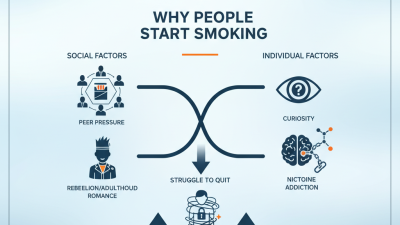
Why Do Cigarettes Remain Popular Among Smokers Worldwide?
The enduring popularity of cigarettes is a complex phenomenon. Dr. Robert West, a leading expert in tobacco control, observes, “Cigarettes provide immediate rewards, making them hard to resist.” This highlights the psychological elements at play. Despite health warnings, many smokers find solace in their habit.
Cigarettes offer a mix of social interaction and personal satisfaction. For many, smoking is a moment of pause, a ritual of sorts. These rituals can create a sense of community among smokers. The allure of cigarettes is not just in the nicotine but also in these shared experiences.
However, the global response to smoking varies widely. Some countries face a decline in cigarette use, while others see an increase. The effectiveness of anti-smoking campaigns, coupled with evolving social norms, shapes these trends. The question remains: why do cigarettes continue to captivate millions? This paradox calls for deeper exploration, revealing a cycle of challenge and addiction in the cigarette culture.

The Historical Context of Cigarette Use Globally
Cigarette use has deep historical roots globally. In the early days, tobacco was used in rituals and ceremonies. Its transition into a commercial product was swift. The 20th century saw a rise in cigarette consumption due to aggressive marketing and social acceptance. Many viewed smoking as a symbol of sophistication or rebellion. The culture surrounding smoking created a strong allure that persists today.
Tips: If you're considering quitting, start small. You might try reducing your intake gradually. It helps ease the transition and makes it less daunting.
Across various cultures, cigarettes became intertwined with social practices. In some regions, smoking signifies camaraderie. In others, it is an opportunity for relaxation. This social aspect often overshadows the associated health risks. Awareness of these issues is crucial, yet many smokers continue due to longstanding habits.
Tips: Engage with support groups. Surrounding yourself with those who understand can provide motivation. Having a support system can make a difference.
The historical context of smoking reveals complexities. Each country has unique stories shaping its view on tobacco. Ignoring these cultural ties risks oversimplifying the smoking phenomenon. While knowledge of health risks is widespread, emotional connections to cigarettes remain potent.
The Psychological and Social Factors Driving Smoking Habits
Smoking continues to captivate millions globally, fueled by complex social and psychological factors. For many, smoking serves as a coping mechanism for stress or anxiety. The ritual of lighting a cigarette often provides a moment of calm amidst chaos. This act can also evoke feelings of nostalgia or connection to shared experiences with friends, making it more than just a habit.
Peer influence plays a significant role in sustaining smoking habits. Social gatherings often normalize smoking, especially among younger individuals. The desire for acceptance can overpower health concerns. Moreover, the imagery surrounding smoking in popular culture perpetuates its allure. Advertisements may glamorize smoking, making it seem like an epitome of sophistication.
However, there are contradictions within this lifestyle choice. Individuals sometimes struggle with guilt about health risks, yet find it difficult to quit. Discomfort from cravings conflicts with the immediate gratification smoking offers. This cycle can make it challenging to break free, leading to reflection on the motivations behind the habit. The interplay of social pressures and personal desires creates a complex relationship with smoking that is hard to unravel.
The Role of Marketing and Advertising in Cigarette Popularity
Cigarette marketing has evolved dramatically over the years. Advertisers use emotions and lifestyle images to connect with consumers. They portray smoking as glamorous or daring. This creates an allure that resonates with many.
Targeted advertising also plays a crucial role. Campaigns designed for specific demographics can be more impactful. For instance, ads aimed at young adults focus on freedom and rebellion. This approach sometimes overshadows the health risks associated with smoking.
Despite increasing regulations, creative marketing strategies persist. Subtle messages in films or social media platforms can amplify cigarette visibility. Smokers may not even realize that their habits are influenced by these ads. It's crucial to reflect on how marketing shapes perceptions around smoking.
Cultural Perceptions and Rituals Associated with Smoking
Cultural perceptions surrounding smoking play a significant role in its popularity. For many, smoking is tied to rituals, social gatherings, and identities. In various cultures, it may symbolize relaxation, camaraderie, or even rebellion. The act of smoking can bring people together during breaks or celebrations. These social aspects often create a sense of belonging.
Tips: Embrace mindfulness. Consider the feelings that accompany smoking. Reflect on whether those moments truly bring joy or simply fill a void.
Rituals associated with smoking are diverse. In some regions, it’s a ceremonial act, such as sharing a smoke during important life events. In others, smokers may have routines, like lighting a cigarette at specific times of day. These patterns reflect personal significance. However, the comfort they provide can lead to unhealthy dependencies.
Tips: Observe your triggers. Identify situations that prompt you to smoke. Explore alternatives during those moments. Choose activities that uplift you instead.
Global Smoking Habits and Cultural Perceptions
This chart illustrates the percentage of smokers across different regions and their associated cultural perceptions regarding smoking.
Health Impacts and Public Policy Responses to Cigarette Smoking
Cigarette smoking remains a global issue. According to the World Health Organization (WHO), around 1.3 billion people smoke worldwide. This phenomenon can partly be attributed to social norms and cultural acceptance. Many smokers start at an early age, influenced by peers and media. Despite known health risks, the allure of smoking persists.
Health impacts of smoking are severe. The Centers for Disease Control and Prevention (CDC) report that smoking causes over 480,000 deaths in the U.S. every year. Lung cancer, heart disease, and respiratory issues are common among smokers. Notably, smoking leads to financial burden on healthcare systems, costing the U.S. over $300 billion annually.
Public policy has evolved in many countries. Strategies include increasing taxes on tobacco products, implementing smoking bans in public places, and promoting cessation programs. The effectiveness of these policies has been significant. For instance, countries with strict regulations see a decrease in smoking rates. However, there remain challenges. Black market sales and resistance to regulations complicate enforcement. Continuous effort is vital to protect future generations.