5 Essential Tips for Quitting Cigarettes Successfully
Quitting cigarettes is a challenging journey. According to Dr. Laura Morrison, a renowned expert in smoking cessation, “The journey to quitting cigarettes is personal and requires a strong commitment.” Many people fail in their attempts to quit. They underestimate the power of addiction.
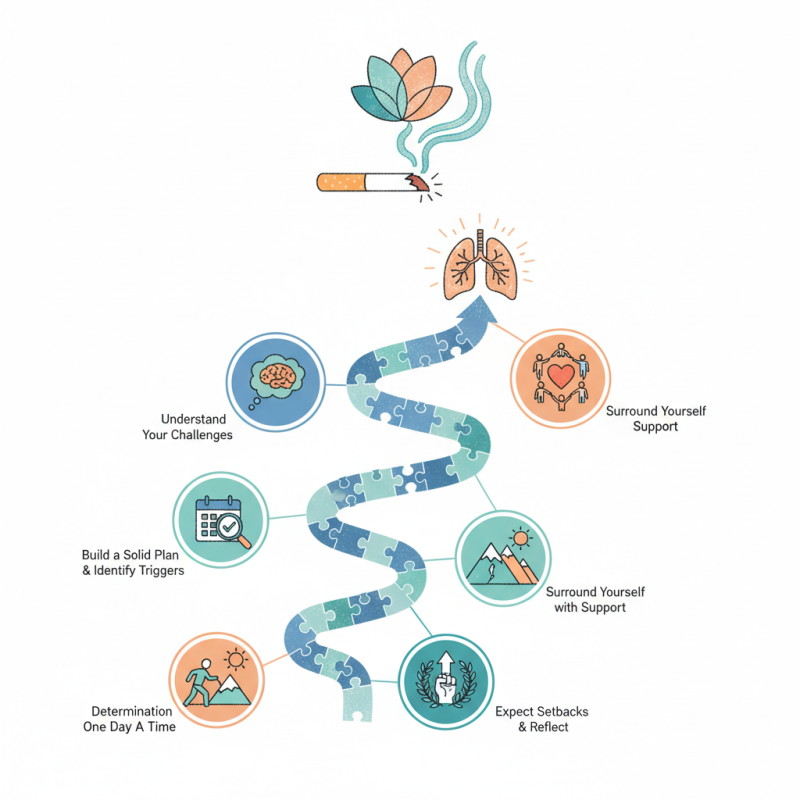
Each smoker’s experience is unique. Some may struggle with cravings while others face emotional triggers. It’s crucial to understand these challenges. The road to becoming smoke-free is filled with ups and downs. Expect to face setbacks; they are part of the process. Reflecting on your habits can lead to breakthroughs.
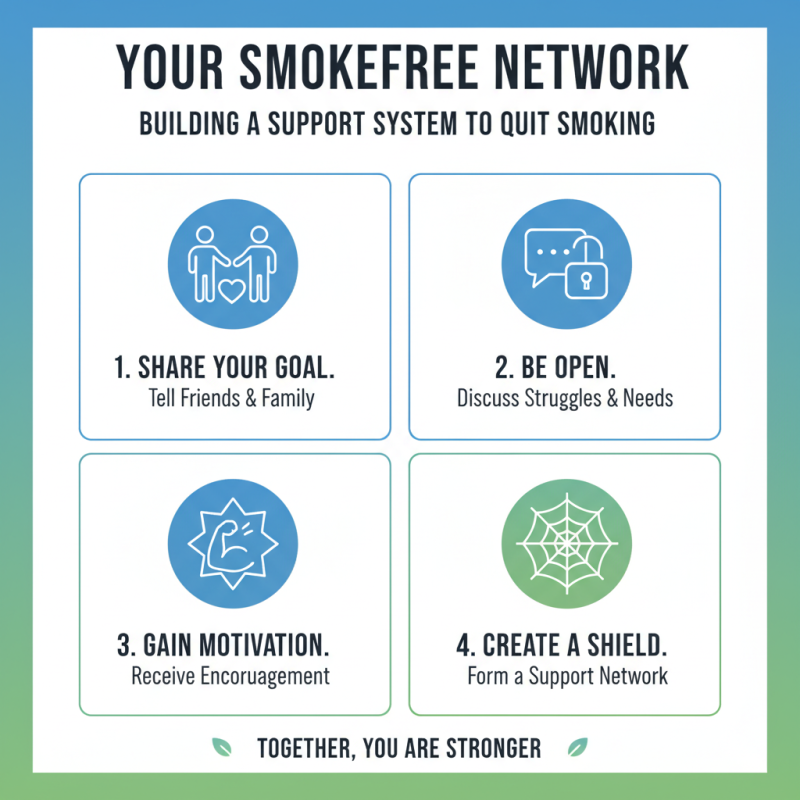
Building a solid plan is essential. Identify your triggers and find healthier coping mechanisms. Surround yourself with support. Remember, it’s okay to seek help. With determination and the right strategies, quitting is an achievable goal. Embrace the journey, and take it one day at a time.
Understanding the Impact of Smoking on Health and Well-being
Smoking has a profound impact on health and well-being. According to the World Health Organization, tobacco use is a leading cause of preventable diseases. It leads to lung cancer, heart disease, and respiratory issues. In the U.S., nearly 480,000 deaths each year are attributed to smoking. This staggering number shows the urgency of quitting.
The effects of smoking extend beyond physical health. Mental health issues often accompany smoking habits. Research indicates that smokers are 30-40% more likely to experience depression and anxiety. The cycle can be vicious. Stress may lead individuals to smoke, while smoking can exacerbate mental health conditions.
Understanding these impacts is important for a successful quit attempt. Many smokers wish to quit but feel overwhelmed by cravings and withdrawal symptoms. They think of the immediate stress relief that smoking provides. But, with the right support and strategies, it is possible to break free. Acknowledging the damage smoking does to both the body and mind can be a powerful motivator. Some days may feel harder than others. Recognizing this is part of the journey.
Identifying Personal Triggers and Reasons for Quitting
Understanding personal triggers is crucial when quitting smoking. Triggers can be emotional or situational. Stress, social settings, and even certain places remind smokers of cigarettes. According to the CDC, nearly 70% of smokers want to quit. Yet, failure often occurs when triggers aren't identified. Recognizing these can empower individuals to navigate cravings.
Finding specific reasons for quitting is equally important. Some people want better health. Others seek financial savings. The American Cancer Society emphasizes that quitting can reduce the risk of lung cancer significantly. It takes time to reflect on motivations. Journaling can help clarify these reasons. Smokers often underestimate their triggers and motivations. This makes it harder to stay committed. Awareness brings control and strengthens resolve to quit.
5 Essential Tips for Quitting Cigarettes Successfully
This chart illustrates the importance levels (on a scale of 1-10) of various tips for quitting cigarettes. Identifying personal triggers tops the list, highlighting its critical role in a successful quitting journey.
Effective Strategies to Manage Cravings and Withdrawal Symptoms
Quitting cigarettes can be a challenging journey. Managing cravings and withdrawal symptoms is essential for success. Research shows that about 70% of smokers want to quit. Yet, only 6% succeed without support. Many people struggle with intense urges in the first few weeks. Understanding how to cope can make all the difference.
Tip: Identify your triggers. Certain situations can provoke cravings. Stressful times, social events, or even certain places can lead to temptation. Keep a journal to track your triggers. This can help you prepare for challenges ahead.
Another effective technique is distraction. Engaging in activities you enjoy can help shift your focus. Exercise is a great way to manage stress and boost mood. A study published in the Journal of Health Psychology found that 30 minutes of physical activity can significantly reduce withdrawal symptoms. When cravings hit, go for a walk or pick up a hobby.
Stay aware of your progress. Celebrate small victories, like going a day or a week without smoking. It’s okay to feel vulnerable. Many who quit report feeling lost at times. Recognize these feelings but don't let them deter you. Reflecting on your journey can strengthen your resolve as you work towards a healthier life.
Establishing Healthy Habits and Alternatives to Replace Smoking
Quitting cigarettes can feel overwhelming. Establishing healthy habits can make a difference. Studies show that about 70% of smokers want to quit. However, only 6% succeed each year. Having a plan can shift these statistics.
Start by incorporating physical activities. Regular exercise can reduce cravings significantly. A brisk walk or a workout can release endorphins, boosting your mood. Consider activities you enjoy, making it easier to stick with them. Replace that smoke break with a three-minute walk. This small change can help curb the urge to smoke.
Mindfulness practices are also beneficial. Techniques like meditation and deep breathing can help manage stress. Research indicates that these practices can reduce cravings and anxiety associated with quitting. Simply taking a moment to breathe can clear your mind. It’s not always easy, and some days will feel harder than others. But these small habits can lead to change over time. Focus on progress, not perfection.