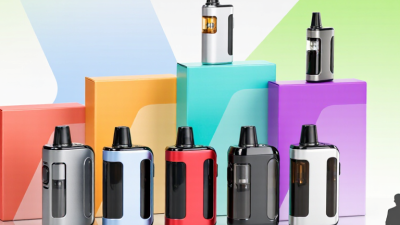
For global buyers, choosing a Geek Bar Vape involves more than comparing flavors or counting puffs. Product names, packaging, and seller claims can vary across markets. A careful buyer checks the manufacturer’s information, batch details, instructions, and local product requirements before making a decision.
Market growth makes clear information especially important. Grand View Research’s 2024 global e-cigarette and vape market report tracks a rapidly developing category, but market-size estimates do not verify any individual device’s quality or safety. The World Health Organization’s 2023 global tobacco report also estimated 1.25 billion tobacco users worldwide in 2022. That figure describes tobacco use, not Geek Bar sales or vaping prevalence. Keep the distinction clear.
This guide presents seven practical checks for comparing products and sellers. Look closely at the label. Confirm that the product description matches the packaging. Save the receipt, and contact the seller if details conflict. Small checks matter.
One limitation deserves candor: no source articles or verifiable quotation from a named Geek Bar Vape industry expert were provided. Rather than inventing an expert or quote, this introduction avoids false attribution. A properly sourced expert statement can be added when a traceable interview, report, or official product statement is available.
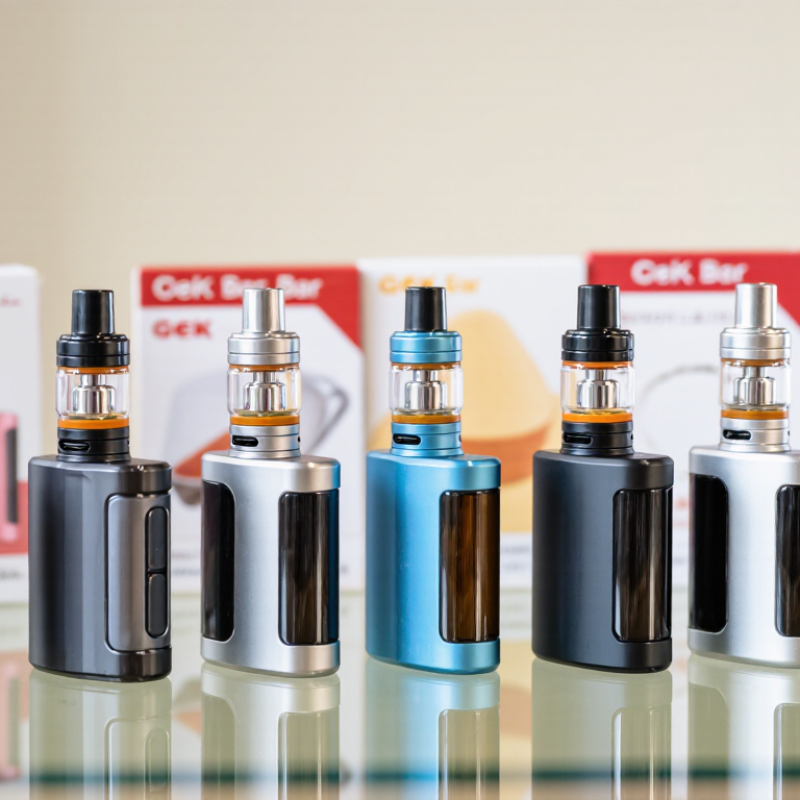
Before buying a vape across borders, check whether the destination permits its sale and import. Rules may differ between a country, a state, and a city. The World Health Organization’s 2023 Report on the Global Tobacco Epidemic recorded 34 countries banning e-cigarette sales, 87 regulating them, and 74 having no specific regulation. This variation matters. A seller’s “ships worldwide” notice does not confirm local compliance.
Verify the legal purchase age through an official government source. In the United States, FDA guidance sets 21 as the minimum federal sales age for tobacco products, including e-cigarettes. Other destinations set different limits. Do not guess. Check whether local rules also cover nicotine strength, product registration, package warnings, or required languages.
Import rules can involve customs declarations, duties, quantity limits, and carrier restrictions. Ask the seller for an accurate invoice and product-compliance documents, then confirm requirements with customs or the relevant health authority before ordering. Keep those records with your order details. Rules change, and a neat checklist can still miss a local packaging rule; recheck official guidance close to purchase and travel dates.
Counterfeit risk is a real supply-chain concern, but broad figures need careful interpretation. The OECD and EUIPO estimated that counterfeit goods represented 3.3% of world trade in 2019; this figure covers many product categories, not vapes alone. For buyers, it supports checking the seller and product together rather than trusting polished packaging.
Tip: Ask for verifiable business details, a physical return address, and a dated invoice before paying. Check that the seller’s name matches the payment recipient. Request written confirmation of sourcing and warranty terms. A professional-looking website is not proof. Keep screenshots and order records in case details change.
Tip: Inspect the sealed package when it arrives. Compare batch or serial information with the maker’s official verification channel, if available, and contact support using independently found details. A QR code can be copied, so it is only one clue. Look for damaged seals, mismatched printing, or missing instructions. If something feels inconsistent, pause and ask questions; buyers can overlook small warning signs when a deal seems urgent.
7 Geek Bar Vape Tips for Global Buyers
Global buyers should compare device types before focusing on appearance. Disposable devices are ready to use, while refillable pod systems require compatible pods and regular maintenance. Check the stated puff count, battery capacity, and charging method. These figures are estimates, not guarantees. A compact device may suit occasional use, but its small battery can mean more frequent charging.
Tips: Read the package carefully. Compare nicotine strength in the same units, such as milligrams per milliliter. Do not assume similar numbers mean identical use; device output and labeling can differ. If you do not use nicotine, do not start.
Review the ingredient list, including nicotine, flavorings, and carrier liquids such as propylene glycol or vegetable glycerin. Labels may not answer every question about inhalation risks, and ingredient disclosure varies. Check for clear manufacturer contact details and batch information. Avoid products with damaged packaging or unclear contents. Nicotine is addictive, and vaping is not risk-free. Buyers should check local product rules before purchasing, since requirements differ by location. Even experienced shoppers can miss a small label detail, so take another look.
A neutral buying checklist for understanding common vaping-device formats, nicotine labels, and e-liquid ingredients. Product availability and rules differ by country.
| Tip | What to Compare | Useful Facts | Buyer Check |
|---|---|---|---|
| 1. Identify the device type | Disposable, prefilled-pod, refillable-pod, or tank-and-mod device | Disposables are generally sold prefilled and are not designed for routine refilling. Refillable systems let users add e-liquid; compatible coils and maintenance are required. | Check whether the device is rechargeable, refillable, and compatible with locally available replacement parts. Follow local rules for disposal and battery recycling. |
| 2. Read nicotine strength carefully | Nicotine concentration in mg/mL, or total nicotine content where stated | mg/mL describes nicotine concentration in the liquid. A label such as 20 mg/mL is not the same as 20 mg in the whole device; total content depends on liquid volume. | Compare the same units and check the package’s stated liquid volume. Do not assume that strength labels or permitted products are identical across countries. |
| 3. Check local nicotine limits | National and regional rules for strength, container size, sales, and product notification | For example, EU Tobacco Products Directive rules limit nicotine-containing e-liquid to 20 mg/mL and refill containers to 10 mL. Other markets have different or changing requirements. | Verify current official requirements for the destination country before purchasing or shipping. Import, age, flavor, and online-sales rules may also apply. |
| 4. Understand nicotine formulations | Nicotine salt, freebase nicotine, or nicotine-free liquid | Nicotine salts and freebase nicotine are different formulations. The experience can vary with concentration, device power, and individual use; neither formulation makes nicotine harmless. | Check the ingredient and strength label rather than relying on terms such as “smooth” or “mild.” Nicotine is addictive; non-users should not start. |
| 5. Review the ingredient list | Propylene glycol (PG), vegetable glycerin (VG), nicotine, and flavoring ingredients | Many e-liquids use PG and VG as carrier liquids. Formulations vary, and flavor ingredients intended for food are not automatically proven safe to inhale. | Choose products with clear ingredient information and required local compliance details. Avoid liquids of unknown composition or products with missing labels. |
| 6. Match the device to its intended liquid | Manufacturer’s compatibility guidance, coil type, and liquid viscosity | Device designs differ in power, airflow, and coil resistance. These factors affect operation and liquid use, so not every e-liquid is suitable for every device. | Use only liquids and replacement parts specified as compatible. Do not modify the battery or use a damaged device. |
| 7. Check safety, authenticity, and travel rules | Packaging, seller documentation, battery condition, and transport requirements | Rules for vaping products and lithium batteries vary by country, airline, and transport operator. Some destinations restrict possession, import, or use. | Buy through a reputable, legally authorized seller; check destination and carrier rules before travel. Keep devices away from heat, children, and pets. |
Health note: Vaping is not risk-free. Nicotine can cause dependence, and vaping products are not appropriate for children, young people, or people who do not use tobacco or nicotine. This table is general information, not medical or legal advice.
Global buyers should check whether vape products may be shipped to and imported into their destination before paying. Rules and carrier policies can differ, even between neighboring countries. Compare tracked postal services with couriers: express delivery may offer clearer tracking, but can add handling fees or require extra paperwork. Read the seller’s delivery terms carefully. A low shipping price does not always include customs charges.
Tip: Ask who pays duties and taxes. Check the destination customs authority’s current guidance for import duty, VAT, or excise tax, and ask the carrier about brokerage fees. Keep the order receipt and shipping estimate. Small charges add up.
Delivery estimates are not guarantees. Customs may hold a parcel to review its description, value, or required documents. I find this easy to overlook when comparing checkout totals. The declared value and product description should match the order; do not request inaccurate paperwork. If charges are unclear, contact the seller or carrier before dispatch. Estimates can still change, so leave room in your budget and delivery schedule. Purchase only where permitted, and follow applicable age and import requirements.
These headline rates are not a quote for a specific shipment or the total import cost. Import taxes, customs duties, excise charges, product rules, and shipping options vary by destination and product classification. Check the destination customs authority and carrier before ordering.
Sources: European Commission VAT rates; UK VAT rates; Australian Taxation Office GST; Japan National Tax Agency consumption tax.
Treat each vape as an electrical device, not a toy. Read the supplied instructions before use. Keep it dry and away from sinks, rain, and wet hands. Stop using it if the casing cracks, liquid leaks, or the device becomes unusually hot. Let it cool on a clear, nonflammable surface. Never force it open.
Use a compatible charger and check the device while it charges. Avoid charging it overnight or when you are away. Store it in a cool, dry place, away from direct sunlight, heaters, and hot cars. Keep it out of reach of children and pets. A bag pocket may seem convenient, but keys can press buttons or damage the casing. Small habits are easy to overlook.
Do not put a vape or loose battery in household rubbish or a fire. Batteries can start fires when crushed or overheated. If the battery is removable, follow the device instructions; do not pry it out. Take the device to an approved battery or electronic-waste collection point. Collection rules and facilities vary, so check with your local waste service before disposal. A quick check is worth the effort.