WARNING: This product contains nicotine. Nicotine is an addictive chemical. Our products are restricted to adults 21+ only.

Leave Your Message

7 Geek Vape Buying Tips for Global Buyers

Buying Geek Vape products across borders requires more than finding a low price. Device versions, included accessories, warranty coverage, and shipping conditions can differ by seller. A familiar box does not prove a product is genuine. Check seller credentials, serial or batch details, and current manufacturer information before paying. Details matter.

Industry context helps explain why careful comparison matters. Grand View Research’s 2024 e-cigarette and vape market report valued the global market at US$28.17 billion in 2023. It projected a 14.4% compound annual growth rate through 2030. These are commercial market estimates, not evidence that every device or retailer meets the same standards. That distinction is easy to miss.

For global buyers, the practical questions are specific: Does the listing name the exact model? Are battery and charging specifications clearly stated? Is the warranty valid in the destination country, and who handles returns? Confirm local requirements through official government sources before ordering; rules can differ by location and change over time. Avoid sellers who omit invoices, hide shipping fees, or make unclear compatibility claims. A small price gap may not cover replacement costs. This guide covers seven checks, from authenticity and specifications to after-sales support. It cannot remove every uncertainty. Some listings remain vague, and buyers should pause rather than guess.

7 Geek Vape Buying Tips for Global Buyers

Authenticate the Seller and Device: Verify Codes, Warranty, and Receipts

7 Geek Vape Buying Tips for Global Buyers

When buying a vape device internationally, seller authentication deserves close attention. A polished website proves little. Check the seller’s physical address, customer-service details, return policy, and business history. Compare product photos with official reference images, especially the box seal, serial label, and printed specifications. Small inconsistencies can matter.

Tip: Verify the security code yourself. Type the code into the manufacturer’s official verification page, rather than clicking a seller-provided link. Confirm that the result identifies the correct device and has not been checked repeatedly. A valid code is useful evidence, but it is not absolute proof. Packaging can be copied, and I once trusted a matching label too quickly. That shortcut was careless.

Tip: Request a complete receipt before payment. It should show the seller’s name, purchase date, item description, and transaction amount. Ask whether the warranty applies in your country and whether international claims require return shipping. Keep screenshots, emails, and unboxing photos. Open the package in good lighting, then photograph the seal and serial number before use. If the code fails, the receipt looks altered, or support gives vague answers, pause the purchase. A low price is not a reliable bargain when warranty support disappears. Also check your local product requirements before ordering, because warranty coverage and permitted specifications may differ by region.
Match the Model, Coil, and 510 Connection to Your Wattage Needs

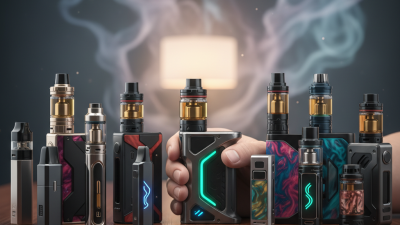
Choosing a vape device for international use starts with wattage, not appearance. Match the coil’s resistance and recommended range to your preferred draw. Higher resistance coils usually suit lower power and tighter airflow. Lower resistance coils often need more power and consume liquid faster. The 510 connection should sit firmly, with no wobble or visible gap. A poor connection can create unstable heating. IEC 62133-2 battery guidance also stresses tested cells and protection against overcharging, short circuits, and overheating.

Tip: Check the coil label before buying. A 0.8-ohm coil rated at 12–18 watts needs a very different device from a 0.15-ohm coil rated above 60 watts. Start at the lower setting. Increase gradually. Do not chase the highest number.

The 2023 U.S. National Youth Tobacco Survey reported that 7.7% of surveyed middle and high school students used e-cigarettes. That figure reinforces the need for responsible, age-verified sales and clear safety information. For global buyers, confirm local rules before ordering, including limits on nicotine products, batteries, and shipping. I have found that “universal” 510 compatibility is not always universal; pin depth and airflow design can still differ. Measure twice. A small mistake can affect fit, heat, and reliability. Choose a regulated device with adjustable wattage, readable settings, and documented electrical protection.

Check Battery Shipping: UN 38.3 Lists 8 Lithium-Battery Test Types

When buying a battery-powered vaping device internationally, check its battery shipping documents before comparing colors or features. UN 38.3 compliance is a practical checkpoint, not a decorative certificate. It shows that the lithium battery design has passed eight transport-safety tests.

Those tests cover altitude simulation, thermal testing, vibration, shock, external short circuit, impact or crush, overcharge, and forced discharge. Each test examines a different risk. For example, vibration reflects rough handling in cargo networks, while thermal testing checks performance during temperature changes. Ask the seller for a UN 38.3 test summary that matches the exact battery model. Do not rely on a generic PDF.

Look closely at the battery name, capacity, configuration, and test-report reference. A small mismatch can delay customs or cause a carrier rejection. Check the package markings and confirm whether the battery is installed, packed with equipment, or shipped separately. These details can change transport requirements. Also contact the carrier before payment, because airline rules and destination procedures may differ. A common mistake is trusting a marketplace listing without checking the paperwork. I made that assumption once in a purchasing review, and the missing battery details created unnecessary delays. Better documentation is rarely exciting, but it protects the shipment.

Assess Water Resistance: IEC IP67 Covers 1 m Immersion for 30 Minutes

For global buyers, an IP67 label is a useful durability check, not a promise of unlimited protection. Under IEC 60529, the “7” indicates temporary immersion in fresh water up to 1 metre for 30 minutes, under specified test conditions. The “6” means dust-tight. Real use differs. Saltwater, hot water, pressure, drops, and worn seals can change the outcome. Even a sealed enclosure can age.

Tip: Ask for the exact IP test documentation, and check whether the rating applies to the complete device or only one component. Read warranty exclusions for liquid damage. A small port cover may look reassuring, but its fit and condition matter more than appearance. Don’t immerse a device to test the claim.

Before buying, inspect port covers, seams, and buttons in clear product photos. Look for repair guidance and replacement-part availability, since seals can loosen with wear. I would not treat IP67 as permission to use a device in rain or beside a sink. That may be overly cautious, but the rating alone cannot settle the question.

Confirm Local Rules: EU TPD Caps Nicotine Strength at 20 mg/mL and Tank Capacity at 2 mL

7 Geek Vape Buying Tips for Global Buyers

Confirm Local Rules: EU TPD Caps Nicotine Strength at 20 mg/mL and Tank Capacity at 2 mL

Buying a vaping device across borders requires more than comparing prices. In the European Union, the Tobacco Products Directive limits nicotine strength to 20 mg/mL for regulated nicotine products. It also limits refillable tanks and cartridges to 2 mL. Check the exact rule before ordering.

Look for clear specifications on the product page and packaging. The label should show nicotine concentration, tank capacity, warnings, and the intended market. A device made for another region may exceed EU limits, even if the seller ships internationally. That difference matters.

Ask the seller for compliance documents when details seem unclear. Official national health or customs websites are more reliable than marketplace comments. Rules can differ outside the EU, and they may change. Do not rely on memory.

A useful buying habit is to measure everything twice. Check the listed capacity, then inspect photos of the sealed package. Small wording differences can cause confusion. I once assumed “compact” meant compliant; it did not. That mistake showed me how easily convenience can replace careful checking.

Choose a reputable seller with transparent returns and customer support. Keep your invoice and product information after purchase. This record can help clarify questions at customs or during warranty service. When a listing hides basic specifications, pause before paying. Something is missing.