How to Use a Vape Detector Effectively to Ensure Safe Spaces
In recent years, the rise of vaping has raised concerns about air quality and health in various environments. Many institutions, including schools and workplaces, seek methods to maintain safe spaces for everyone. A Vape Detector serves as an effective tool in these efforts. It identifies the presence of vapor, allowing for timely interventions.
Implementing a Vape Detector can seem straightforward. However, understanding its full potential requires awareness of its limitations and benefits. Proper placement in high-risk areas can optimize the device's efficacy. Yet, environmental factors may affect its accuracy. Users must remain vigilant and proactive, using the data collected to create a healthier atmosphere.
Creating safe spaces isn't solely reliant on technology. Community engagement and educational efforts are equally important. While Vape Detectors can significantly contribute to prevention, they are part of a broader strategy. It's essential to consider other factors influencing vaping behavior. Only then can we ensure environments that prioritize health and safety.
Understanding the Functionality of Vape Detectors in Safety Measures
Vape detectors have increasingly become vital in maintaining safe environments, especially in schools and public spaces. These devices can accurately identify vapor produced by e-cigarettes and alert authorities. A study from the National Institute on Drug Abuse reported a 78% increase in vaping among high school students since 2020. This alarming trend has compelled institutions to invest in technology that ensures safety. Vape detectors act as proactive measures against potential health risks related to vaping, such as respiratory illnesses.
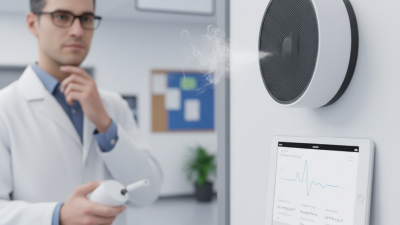
Understanding how vape detectors function is crucial for their effective use. These devices utilize advanced sensors that detect specific chemicals common in vape aerosols. When vapor is detected, the system delivers real-time alerts to designated personnel. However, challenges remain.
False alarms can occur, leading to unnecessary panic or distrust among students and staff. Furthermore, budgets may constrain some schools, making the implementation of such technology difficult. Looking ahead, ongoing advancements in detection technology may improve accuracy and reduce false positives, enhancing overall effectiveness in keeping spaces safe.
Identifying Ideal Locations for Vape Detector Installation
When considering the installation of vape detectors, choosing the right locations is crucial. High-traffic areas where people gather are ideal for these devices. Hallways, entrances, and lounges can be effective spots. These areas often see a mix of individuals, making them key places for ensuring safety.
Tips: Place detectors close to entrances where people frequently enter and exit. This can help catch any vaping activity before it spreads further. Consider areas near windows for better airflow to aid detection.
Another vital aspect is monitoring restrooms and changing areas. These locations offer privacy, where vaping may occur discreetly. Regular checks and maintenance of detectors here are essential, as they may need updates or adjustments.
Tips: Invest in quality detectors that can handle a range of environments. Engage with community members to understand typical behavior patterns. This engagement contributes to overall safety and awareness.
Over time, it’s essential to evaluate the effectiveness of placements. Some locations may prove less effective than anticipated. Constant assessment can lead to better locations or even additional detectors in neglected areas. Embracing feedback will enhance the safety strategy significantly.
How to Use a Vape Detector Effectively to Ensure Safe Spaces - Identifying Ideal Locations for Vape Detector Installation
| Location Type |
Ideal Installation Height (ft) |
Recommended Number of Detectors |
Coverage Area (sq ft) |
Notes |
| Schools |
8-10 |
2 per classroom |
300 |
Focus on hallways and common areas |
| Workplaces |
10-12 |
1 per large meeting room |
400 |
Consider smoking areas |
| Public Transport |
7-9 |
1 per vehicle |
N/A |
Install in areas with high foot traffic |
| Restaurants |
8-10 |
1 per dining area |
200 |
Place near entrances and exits |
| Health Facilities |
10-12 |
2 per ward |
500 |
Prioritize patient areas |
Setting Up and Configuring Your Vape Detector for Optimal Use
Setting up a vape detector can feel daunting, but it's essential for ensuring safe environments. Begin by choosing an appropriate location for your device. High-traffic areas are ideal, as they are most likely to detect any violations. Placement at a height of around six feet helps capture the vapor more effectively, as it tends to rise. The ideal spot should also be away from vents or any air circulation systems that may interfere with the detection.
Once positioned, configuring the device is crucial for optimal performance. Most vape detectors come with user-friendly interfaces. Adjust sensitivity settings based on the expected activity in the area. High sensitivity might be necessary in some spaces, while others benefit from lower settings. Regularly testing the detector helps ensure it's functioning correctly. A simple monthly check can save time and headaches down the line. Remember, no system is perfect. Be prepared for the occasional false alarm. Collecting data on these occurrences can help refine settings further.
Consider integrating the vape detector with a monitoring system. This combination can provide real-time alerts. However, stay aware of the potential hiccups that arise with technology. Each space is unique, and it may take time to find the perfect balance between sensitivity and reliability. Learning from any missteps along the way will enhance your approach over time.
Monitoring Vape Detector Alerts and Responding Effectively
Effective monitoring of vape detector alerts is crucial for maintaining safe environments in schools and workplaces. Setting up a reliable system is the first step. Choose detectors with precise sensors that can differentiate between vapor and other substances. Regular maintenance is essential. Ensure devices are calibrated and functioning correctly to avoid false alarms. Vigilance in monitoring these alerts can help identify potential issues early.
Responding to alerts requires a thoughtful approach. Gather a response team trained to handle such situations. When an alert sounds, investigate promptly but calmly. Gather information about the location and circumstances. Avoid jumping to conclusions; this may lead to unnecessary panic. Communicate with those present, keeping them informed. Assure them that safety is the priority.
Understanding the limitations of vape detectors is vital. They may not provide a full picture of what is happening. Relying too heavily on technology can lead to complacency. Regular training sessions for staff on emergency responses can enhance preparedness. Balancing technology with human judgment can create a safer atmosphere. Be open to feedback from staff and students. This can improve future responses and equipment usage.
Promoting Awareness and Education on Vape-Free Environments
Creating vape-free environments requires awareness and education. Many people are unaware of the effects of vaping on health. Vape detectors can help ensure spaces remain smoke-free. However, the success of these tools depends on how well individuals understand their importance.
Educational programs can promote awareness. Schools and communities should organize workshops that discuss the health risks related to vaping. When young people learn about harmful substances, they might make better choices. Posters and social media campaigns can amplify these messages, reaching wider audiences.
It's crucial to engage parents and guardians in this conversation. They can reinforce messaging at home. Yet, not all adults realize the second-hand risks of vaping. The responsibility lies with organizations and leaders to acknowledge this gap. Ongoing education can help create genuinely safe spaces.