What is Vuse Vape and How Does It Work?
The Vuse Vape has gained significant attention in recent years. This vaping device offers a modern alternative to traditional smoking methods. With its sleek design and user-friendly features, many are curious about how it works.
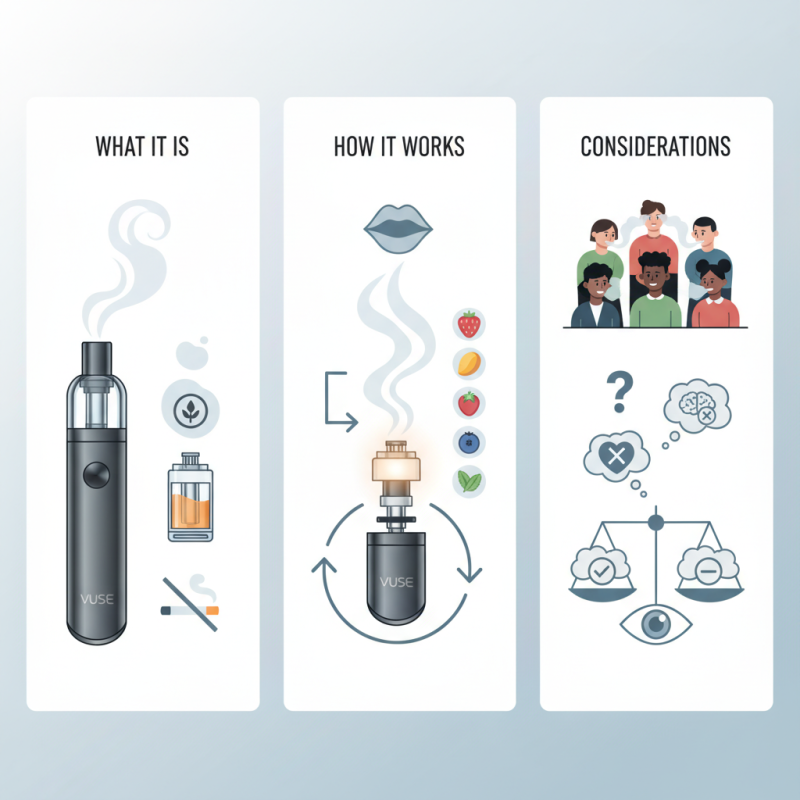
Vuse Vape functions through a system that heats e-liquid to create vapor. Smokers enjoy various flavors, making it appealing to a younger audience. The convenience of compact vaping units has contributed to their popularity. However, there are concerns regarding health effects and dependency.
Understanding Vuse Vape requires a closer look at its components and operation. Questions about safety and long-term use linger in conversations. Users should weigh the benefits against potential risks. Exploring these aspects provides a clearer picture of what Vuse Vape offers.
What is Vuse Vape?
Vuse Vape represents a popular choice in the vaping industry. It offers users an alternative to traditional smoking. According to studies, approximately 30% of adults who smoke are looking to quit. Products like Vuse are designed to help reduce nicotine dependency.
Vuse operates using a closed system that heats e-liquid. This e-liquid often includes nicotine, flavorings, and various other components. The device transforms the liquid into vapor. Data from industry reports suggest that more than 60% of users prefer flavored e-liquids. Flavor plays a significant role in attracting consumers. However, it raises concerns about the appeal to younger audiences.
Research indicates that vaping may be less harmful than smoking. Yet, long-term effects are still unclear. Some studies have suggested potential respiratory risks associated with vaping. Individuals considering Vuse or similar products should weigh these factors carefully. Personal experiences vary, and caution is warranted.
What is Vuse Vape and How Does It Work?
| Feature |
Description |
| Device Type |
Closed pod system |
| Battery Life |
Varies by device, typically lasts all day |
| Nicotine Strengths |
Available in 3mg, 5mg, and 6mg per mL |
| E-liquid Flavors |
Multiple flavors including menthol, fruit, and dessert |
| Refill Method |
Pre-filled pods that are disposable |
| Usage Difficulty |
User-friendly, designed for convenience |
| Charging |
USB rechargeable |
History and Development of Vuse Vape
The Vuse Vape has emerged as a significant player in the vaping industry since its inception in 2013. Initially introduced as a disposable product, it quickly evolved into a more sophisticated platform with rechargeable options. Industry reports indicate that vaping has grown substantially, with global market value expected to reach $45 billion by 2027. This surge highlights a shift in consumer behavior, with many opting for vaping as a perceived healthier alternative.
As the product line expanded, Vuse introduced flavors and nicotine levels that appealed to various users. A study by the Centers for Disease Control and Prevention noted that 14% of adults in the U.S. reported using e-cigarettes in 2021. This statistic underscores the growing acceptance and normalization of vaping, especially among younger demographics. However, the long-term health effects remain largely unknown, leaving a gap that requires further research.
Despite its popularity, the rise of Vuse and similar products presents challenges. Regulatory scrutiny is increasing as public health experts debate the implications of widespread vaping. While the convenience and variety attract users, the need for transparent, reliable information on health impacts is crucial. As the industry matures, it must confront these issues to ensure consumer safety and trust.
How Vuse Vape Works: Components and Mechanism
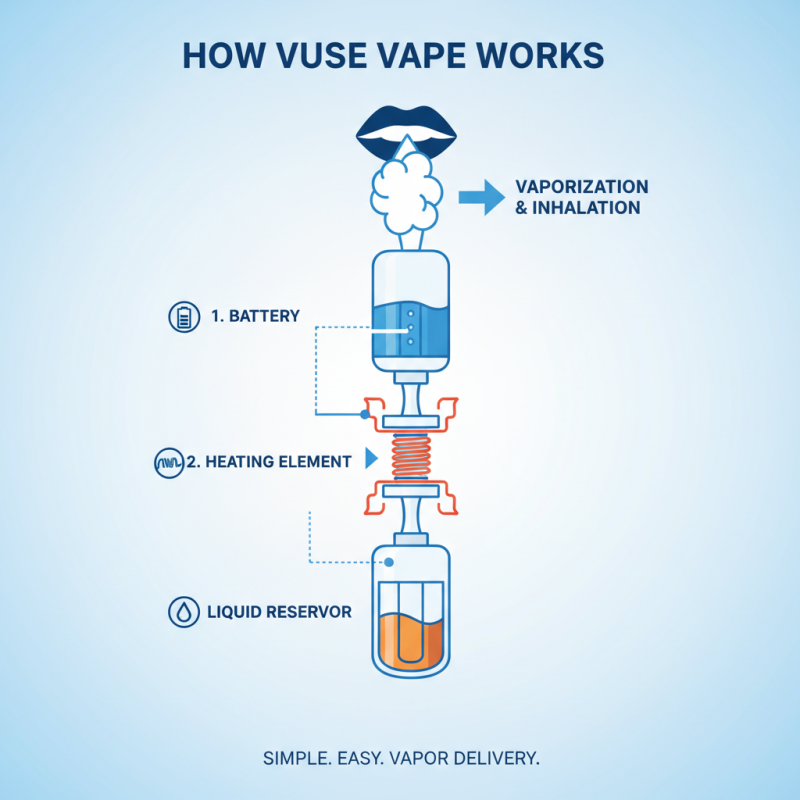
Vuse Vape operates through a straightforward mechanism, utilizing several essential components to deliver vapor. At its core, the device includes a battery, a heating element, and a liquid reservoir. When activated, the battery powers the heating element, which vaporizes the liquid. This process creates an aerosol that users inhale. The simplicity of this operation makes it easy to use, appealing to many.
The liquid reservoir holds a mixture of propylene glycol, vegetable glycerin, flavorings, and nicotine. These ingredients combine to create various flavors and nicotine strengths. Users can select options that suit their preferences. However, the precise composition can raise questions about safety and consistency. Understanding these components is crucial for informed choices.
While Vuse Vape provides an alternative to traditional smoking, some users report inconsistencies in performance. Battery life can vary, and the flavor may change over time. These aspects might lead to a less satisfying experience. Engaging with both the benefits and limitations of such devices promotes a more reflective approach. It's essential to consider personal preferences while evaluating overall satisfaction.
Types of Vuse Vape Products Available
Vuse vape offers a variety of products tailored for different preferences. There are disposable devices that provide convenience and simplicity for on-the-go users. These vapes come pre-filled, requiring no assembly. Users simply inhale to activate them. This makes them ideal for beginners who want to experience vaping without complications.
For those seeking versatility, refillable pod systems are available. These allow users to choose different flavors and nicotine levels. The pods are easy to swap and refill, promoting a personalized experience. Users can explore various taste profiles, enhancing their enjoyment. However, maintaining these systems can require regular cleaning and occasional troubleshooting. This consideration may not appeal to everyone.
Furthermore, there are advanced devices designed for seasoned users. These units often feature adjustable settings and longer battery life. They offer more control over the vaping experience. However, they can be more complex and intimidating for newcomers. Ultimately, the choice depends on individual preferences and lifestyle. Each product type presents unique benefits and challenges for users to weigh.
Health Considerations and Regulations Surrounding Vuse Vape
Health considerations surrounding
vaping products are increasingly important.
Many users believe these devices are safer than traditional cigarettes. However, research shows potential
health risks associated with vaping. Ingredients like
nicotine can lead to addiction. Some flavoring agents may have unknown long-term effects on lung health.
Regulations on these products vary widely. Some places impose
strict age limits, while others do not. Advertising regulations are evolving to prevent targeting minors.
Public health campaigns aim to increase awareness
of the risks. Individuals need to be informed about the potential dangers of these devices. Responsible use
requires understanding both health implications and local laws.
Vaping remains a debated topic. Some users report a transition from smoking to vaping. Yet, it's crucial to
consider the broader implications.
Emerging evidence suggests that non-smokers,
especially youth, might start vaping. This could lead to nicotine dependence. Awareness
and regulation are vital in navigating this complex landscape.