WARNING: This product contains nicotine. Nicotine is an addictive chemical. Our products are restricted to adults 21+ only.

Leave Your Message

What Is Vuse Vape and How Does It Work?

Understanding what Vuse Vape is requires more than describing a small device with a glowing indicator. It is a branded electronic nicotine-delivery system that uses a battery, a pod, and a heating element. When activated, the battery warms the liquid inside the pod. The liquid becomes an aerosol, which the user inhales. It is not simply harmless water vapor.

The experience can feel straightforward. A sealed pod clicks into place. A quiet draw activates the device. Nicotine, flavoring ingredients, and other compounds move through the mouth and throat. However, product versions and liquid formulations may differ by market. Labels should be checked carefully. Instructions matter more than advertising language.

As cardiologist and vaping researcher Dr. Konstantinos Farsalinos has stated, “E-cigarettes are by far less harmful than smoking.” This comparison requires context. Lower exposure than combustible cigarettes does not mean zero risk. Nicotine can create dependence, and aerosol exposure may affect people differently. That distinction matters.

This guide examines how Vuse Vape works, what its main components do, and where common explanations become too simple. The heating process is easy to picture, but its health implications are less certain. Evidence continues to develop. I should acknowledge that limitation rather than present every claim as settled fact. Readers should rely on current product information, qualified health professionals, and reputable public-health sources. Vuse Vape should not be treated as risk-free, especially by people who do not already use nicotine.
What Is Vuse Vape and How Does It Work?

What Is Vuse Vape?

A vape is a small electronic device that heats a liquid into an inhaled aerosol. It does not burn tobacco like a traditional cigarette. The device usually contains a battery, heating coil, liquid chamber, and mouthpiece. Some models use sealed pods, while others use refillable tanks.

When activated, the battery sends power to the coil. The coil warms the liquid, which may contain nicotine, flavorings, and other ingredients. The user then draws the aerosol through the mouthpiece.

It is not simply harmless water vapor. The aerosol can contain nicotine and fine particles, so exposure should not be treated casually.

The experience can feel smooth, warm, or slightly dry. Device settings, liquid strength, and coil condition can change that feeling. A burnt taste may signal an overheated or depleted coil.

That detail is often ignored. It should not be. Products also differ in construction and labeling, making reliable information important. Adults should check local rules and product instructions before use.

Nicotine can cause dependence and is unsuitable for children, pregnant people, and those who do not use nicotine. The science is developing, and some explanations remain incomplete. That uncertainty deserves honesty, not exaggerated promises.
What Are the Main Components of a Vuse Vape?

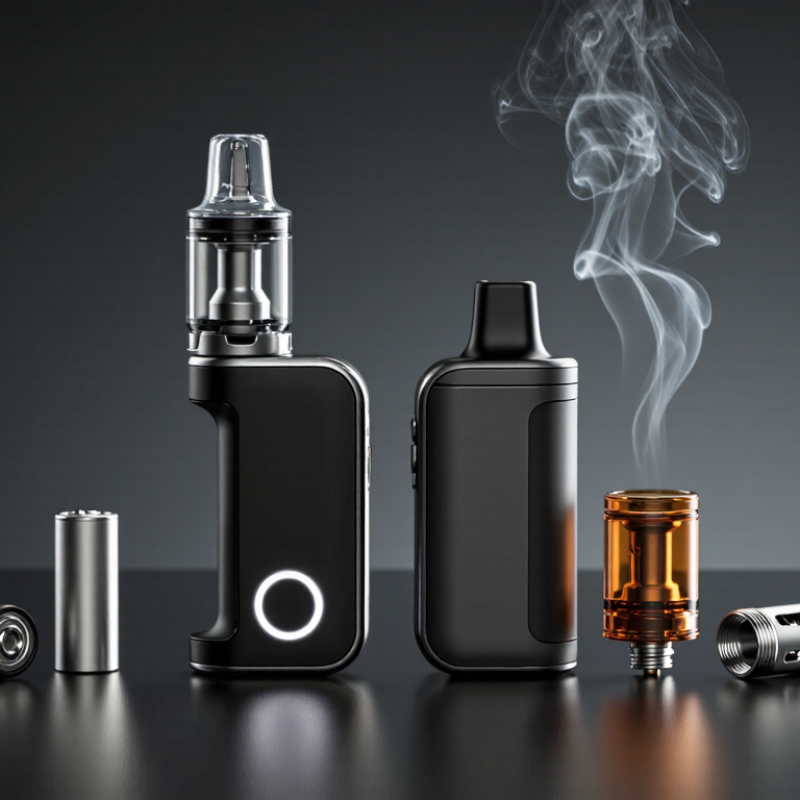
A Vuse-style vape is a compact electronic device designed to heat liquid into an aerosol. Its main components include a rechargeable battery, a heating element, a pod, an airflow sensor, and a mouthpiece. The outer casing protects these parts during normal handling. Small details matter.

The battery supplies power to the heating element, often called a coil. When a user inhales, the airflow sensor detects pressure changes and activates the coil. The coil warms the liquid inside the pod. That liquid commonly contains nicotine, flavorings, and carrier ingredients such as vegetable glycerin or propylene glycol. The resulting aerosol travels through the mouthpiece. No burning tobacco is involved, but the aerosol is not harmless.

A pod usually combines a liquid reservoir with absorbent material around the coil. Some devices use sealed pods, while others allow replacement parts. The charging port connects the battery to an external power source.

A damaged pod, leaking liquid, or unusual heat deserves attention. Do not modify the device or use incompatible chargers. Even careful explanations can miss differences between models. Checking the manufacturer’s instructions and local health guidance remains more reliable than guessing from appearance.

How Does a Vuse Vape Work Step by Step?

A Vuse-style vape is a small electronic device that heats liquid instead of burning tobacco. Its system usually contains a rechargeable battery, a liquid cartridge, a heating coil, and an airflow sensor. The liquid may contain nicotine, flavorings, and carrier liquids such as propylene glycol or vegetable glycerin. Ingredients vary by product and region. Check the label carefully.

The process begins when a user draws air through the mouthpiece. The airflow sensor detects this movement and signals the battery. The battery then sends power to the metal coil. Within seconds, the coil becomes hot and contacts the liquid held in a wick. The liquid changes into an aerosol, not harmless water vapor. The user inhales that aerosol through the mouthpiece. Some devices stop heating automatically after a short puff, which helps limit battery use. Still, it does not remove exposure.

The aerosol can contain nicotine, ultrafine particles, flavor chemicals, and metals, according to the National Academies of Sciences, Engineering, and Medicine. The Centers for Disease Control and Prevention also reported 2.13 million U.S. middle and high school students used e-cigarettes in 2023. That figure shows why careful communication matters. A device can feel smooth and predictable, yet its emissions can change with battery power, liquid level, coil age, and puff length. The explanation is simple, but the chemistry is not.

What Is a Vape and How Does It Work?

A vape is an electronic device that heats a liquid to produce an inhalable aerosol. The chart shows the general operating sequence without using data from any specific company or brand.

How it works: When the user activates the device, a battery supplies electrical energy to a heating coil. Liquid is transported to the coil through an absorbent wick, and the heated liquid forms an aerosol. The aerosol then passes through the mouthpiece and is inhaled. The sequence values show order only; they do not represent aerosol volume, nicotine delivery, or heating temperature.

What Types of Vuse Vape Products Are Available?

What Types of Vape Products Are Available?

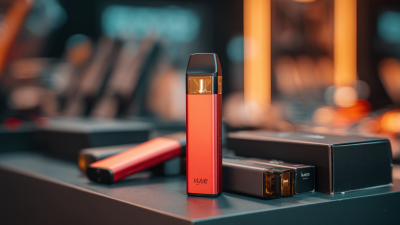
Vape products in this category usually come in three forms: closed pods, rechargeable pod devices, and disposable units. Closed pods contain pre-filled e-liquid and attach to a small battery. They are simple to operate, with no filling tools or liquid bottles. Rechargeable pod devices use a replaceable cartridge and a rechargeable battery. Some cartridges are pre-filled, while others require user filling where local rules permit.

Disposable units are compact and ready to use. Their battery and liquid supply are designed for short-term use. Product availability differs by country, state, and local regulation. Nicotine strength, flavor options, and cartridge sizes may also vary. Always check the packaging, ingredient information, and regulatory markings before purchase. Nicotine is addictive.

The device experience can feel different across types. Closed pods often provide consistent airflow. Rechargeable systems may offer more control but require cleaning and careful storage. Disposable products create less setup, yet they produce more waste. That trade-off is easy to overlook. Flavor descriptions can also sound more precise than they really are. Personal perception changes with airflow, battery charge, and temperature. I would not treat a smooth draw as proof of lower risk. No vaping product is harmless, and non-users should not begin using one. Older adults, pregnant people, and anyone with medical concerns should seek qualified healthcare advice.

What Are the Health and Safety Considerations?

An electronic vapor device uses a battery to heat a liquid through a small coil. The liquid usually contains nicotine, flavorings, and solvents. Heating creates an aerosol, not harmless water vapor. Users inhale it through a mouthpiece, while sensors may activate the coil during inhalation.

Health risks deserve closer attention. Nicotine can create dependence and may affect adolescent brain development. The U.S. Centers for Disease Control and Prevention reports that 1.63 million U.S. middle and high school students used electronic cigarettes in 2024. Among them, 87.6% used flavored products. That figure suggests appeal remains strong among young people. It also raises uncomfortable questions about product design and marketing.

The National Academies of Sciences, Engineering, and Medicine found that aerosol exposure can include nicotine, ultrafine particles, and toxic substances. Some compounds may irritate the lungs or affect cardiovascular function. The long-term effects are still not fully measured. That uncertainty matters. A device may produce fewer harmful chemicals than combustible tobacco, but “less exposure” does not mean “safe.” People with heart or lung conditions should discuss nicotine exposure with a qualified healthcare professional. Users should also avoid damaged batteries, leaking liquid, and charging on soft surfaces. Small failures can cause burns or fires. Safety advice is not perfect, either; evidence continues to change.

What Is Vuse Vape and How Does It Work? - What Are the Health and Safety Considerations?

Dimension Evidence-Based Information Health and Safety Considerations
Product category A vape is an electronic nicotine-delivery device that heats a liquid to create an inhalable aerosol rather than burning tobacco. Not producing smoke does not make the aerosol harmless. Users may still inhale nicotine, fine particles, flavoring chemicals, and other substances.
How the device works A battery supplies power to a heating element. The element warms e-liquid held in a cartridge, pod, or tank, and a sensor or button activates aerosol production. Overheating, damaged components, or improper charging can increase the risk of burns, leakage, or battery failure.
Typical e-liquid ingredients E-liquid commonly contains nicotine, propylene glycol, vegetable glycerin, and flavoring substances. The exact composition varies by product and formulation. Ingredient labels may not fully describe all chemicals present in the emitted aerosol. Avoid swallowing e-liquid or allowing it to contact skin or eyes.
Nicotine exposure Nicotine is highly addictive and can reinforce repeated use. Exposure depends on liquid concentration, device design, puff duration, and frequency of use. Nicotine can increase heart rate and blood pressure temporarily. It can also cause dependence and withdrawal symptoms such as irritability, cravings, and difficulty concentrating.
Respiratory effects Vaping aerosol can contain ultrafine particles, volatile organic compounds, aldehydes, and metals that may be released from the heating system. Inhalation may irritate the throat and airways and can cause coughing, wheezing, or shortness of breath. Long-term effects continue to be studied.
Heart and blood-vessel considerations Nicotine stimulates the nervous system and may produce short-term increases in heart rate and blood pressure. People with cardiovascular conditions should discuss nicotine exposure with a qualified healthcare professional.
Youth and young adults The brain continues developing into approximately the mid-20s. Nicotine exposure during adolescence may affect attention, learning, mood, and impulse control. Young people and people who do not use tobacco or nicotine should not start vaping. Keep devices and liquids away from children.
Pregnancy and breastfeeding Nicotine can cross the placenta and may harm fetal development. It may also expose infants through breast milk or environmental contamination. Avoid nicotine vaping during pregnancy and breastfeeding. Seek medical advice for evidence-based cessation support.
Secondhand exposure Exhaled aerosol can expose people nearby to nicotine and other airborne substances, although exposure is generally different from secondhand tobacco smoke. Do not vape around children, pregnant people, individuals with asthma, or in enclosed shared spaces.
Accidental poisoning Liquid nicotine can be toxic if swallowed or absorbed through the skin. Children and pets are particularly vulnerable to small amounts. Store e-liquid in its original, closed container, away from children and pets. If exposure occurs, contact local poison-control or emergency services immediately.
Battery and charging safety Lithium-ion batteries can overheat or catch fire if damaged, short-circuited, exposed to extreme temperatures, or charged incorrectly. Use the supplied or manufacturer-approved charger, inspect for damage, avoid charging unattended or overnight, and keep the device away from heat and flammable materials.
Dual use with cigarettes Using both cigarettes and e-cigarettes does not eliminate the risks of smoking and may maintain nicotine dependence. For adults who smoke, completely switching away from combustible tobacco may reduce exposure to many harmful chemicals, but using both products is not equivalent to quitting.
Smoking cessation Evidence indicates that nicotine e-cigarettes may help some adults stop smoking, but they are not risk-free and are not appropriate for non-smokers. Adults who want to quit should consider counseling and approved cessation medicines with guidance from a healthcare professional. Avoid returning to smoking after quitting.
When to seek medical help Warning symptoms may include chest pain, severe shortness of breath, confusion, persistent vomiting, seizures, or symptoms after liquid-nicotine exposure. Stop using the product and seek urgent medical care for severe or rapidly worsening symptoms. Do not delay emergency treatment.
Important: No tobacco or nicotine product is completely safe. Health effects vary according to nicotine concentration, frequency of use, individual health status, and whether vaping is combined with smoking.
Evidence sources: U.S. Centers for Disease Control and Prevention (CDC), U.S. Food and Drug Administration (FDA), World Health Organization (WHO), and National Academies of Sciences, Engineering, and Medicine.