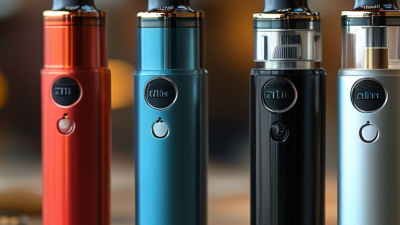
Why Buy a Vape Detector for Your Business?
Why buy a Vape Detector for your business? The answer begins with visibility, not punishment. In a busy restroom, classroom hallway, hotel corridor, or warehouse break area, vapor can disappear within seconds. Its smell may linger longer. Staff often notice the problem after complaints, alarms, or repeated cleanup.
Dr. Brian King, director of the FDA’s Center for Tobacco Products, has stated, “E-cigarette aerosol is not harmless water vapor.” That warning matters for business owners managing indoor air quality. A reliable Vape Detector can identify airborne patterns linked with vaping and send timely alerts. It can also support clearer documentation, faster responses, and more consistent facility policies.
The technology is not a magic solution. It cannot replace trained employees, respectful communication, ventilation checks, or a written response plan. Some alerts may need review. False positives can happen near cleaning products, aerosols, or unusual humidity. That is where responsible deployment becomes important.
A good system should protect people, not create embarrassment. It should fit the building’s layout, privacy expectations, and daily workflow. Managers should examine detection range, alert controls, data handling, installation needs, and ongoing support before buying. A small sensor near a locker-room entrance may prevent hours of uncertainty later.
There is also a human detail. Employees may ignore vague rules when enforcement feels random. Visible, consistent monitoring can make expectations easier to understand. Still, every workplace has different risks, budgets, and blind spots. The best decision comes from testing the environment honestly, measuring results, and adjusting the plan when the first approach does not work.
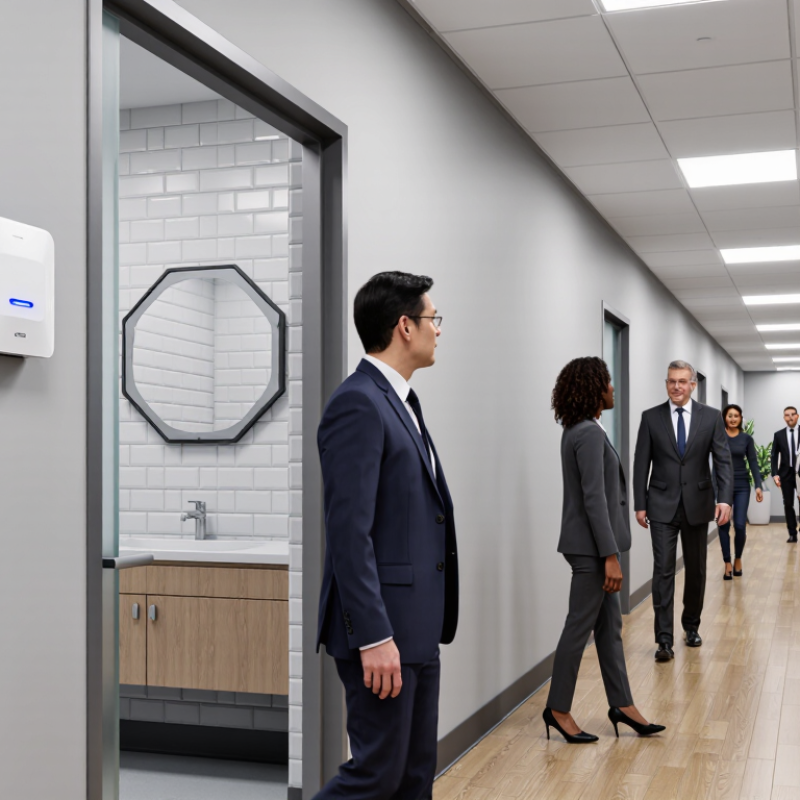
What Is a Vape Detector and How Does It Work?
Why Buy a Vape Detector for Your Business?
What Is a Vape Detector and How Does It Work?
A vape detector is an indoor monitoring device that identifies patterns linked to e-cigarette aerosol. It usually combines particle, chemical, humidity, and temperature sensors. When aerosol changes the air, software compares the reading with normal room conditions. A connected system can then alert authorized staff within seconds. It does not read intent. It detects environmental patterns.
The National Academies of Sciences, Engineering, and Medicine reported in 2018 that e-cigarette aerosol can contain nicotine, ultrafine particles, and potentially harmful chemicals. The 2023 National Youth Tobacco Survey, published by the CDC and FDA, estimated that 2.13 million U.S. middle and high school students currently used e-cigarettes. That figure shows why indoor monitoring remains relevant for schools, workplaces, and shared facilities.
Placement matters. Bathrooms, changing areas, and small rooms often need careful evaluation because ventilation varies. Steam, cleaning products, dust, and poor airflow can create false alerts. Human review remains necessary. Many detectors cannot confirm nicotine use with complete certainty, and no sensor is perfect. A practical system should support, not replace, ventilation, clear policies, and respectful communication. Regular calibration and documented alert reviews can improve reliability over time.
Why Businesses Need Vape Detection Systems
Why Businesses Need Vape Detection Systems
Vaping can happen quietly in restrooms, changing rooms, and other low-visibility areas. Businesses need a practical way to protect indoor air and respond early. The 2023 National Youth Tobacco Survey reported that about 2.13 million U.S. middle and high school students used e-cigarettes. Although this report focuses on youth, it shows how common vaping has become in shared environments. The World Health Organization also reports that e-cigarette emissions may contain nicotine, metals, and other potentially harmful substances.
A vape detector can identify aerosol patterns, unusual humidity changes, and repeated activity. It can send discreet alerts to trained staff. This supports faster checks without constant hallway monitoring. However, a detector is not a magic answer. False alerts can occur near showers, steam, or strong cleaning products. I would never treat one alert as proof of misconduct. Staff still need clear policies, respectful communication, and documented procedures. The CDC advises improving indoor air quality, but ventilation alone may not remove every contaminant quickly.
Tips: Place detectors near enclosed, high-risk areas, not directly beside vents. Test alerts during normal business hours. Review event logs monthly. Ask maintenance teams to check sensor accuracy. Most importantly, explain the system openly. Transparency builds trust, even when the technology is imperfect. Data from the 2023 National Youth Tobacco Survey and WHO’s Tobacco: E-cigarettes report can support policy discussions with employees, parents, and facility managers.
Why Businesses Need Vape Detection Systems
Current e-cigarette use among U.S. high school students remains significant, supporting the need for proactive detection in schools, workplaces, and other youth-serving facilities.
Percentage of U.S. high school students reporting current e-cigarette use, 2019–2024. Source: National Youth Tobacco Survey, CDC and FDA.
Key Benefits of Installing Vape Detectors
Installing vape detectors can support a healthier, more comfortable business environment. Specialized sensors identify aerosol patterns that ordinary smoke alarms may miss. They can help staff respond faster in restrooms, changing rooms, and other enclosed areas.
The strongest benefit is early awareness. A discreet alert can direct trained staff to the right location without disrupting the entire building. This matters in schools, offices, hotels, and shared workplaces. Detectors also provide useful activity data, helping managers identify repeated problem areas and adjust ventilation or supervision. However, data should be handled carefully, with clear access rules and limited retention.
Practical installation matters.
Mounting height, airflow, room size, and ceiling design can affect performance. A professional assessment reduces blind spots and unnecessary alerts. Regular testing is equally important, especially after renovations or ventilation changes. No system is perfect. Steam, dust, or unusual airflow may sometimes create false alerts. Staff should verify events calmly instead of making immediate assumptions. Clear signage, respectful conversations, and consistent policies usually work better than relying on technology alone. One overlooked issue is maintenance; an inactive detector offers false confidence. Reviewing alert records each month can reveal patterns, but managers should still question whether every alert reflects real behavior.
How to Choose the Right Vape Detector
Why Buy a Vape Detector for Your Business?
The 2023 National Youth Tobacco Survey found that 2.13 million U.S. middle and high school students currently used e-cigarettes. The World Health Organization’s 2023 global report also estimated 1.25 billion adult tobacco users in 2022. These figures show why many businesses are reviewing indoor air-quality controls, especially in schools, offices, hotels, and shared facilities.
Choose a detector that identifies aerosol particles, not only unusual odors. Optical particle sensors can react faster in a small restroom or changing room. Chemical sensors may add useful confirmation, but they can increase maintenance needs. Check detection range, response time, alarm volume, and performance under humidity changes. Ask for independent test results, not vague marketing claims. No sensor is perfect.
Placement matters. Install units near enclosed rooms, ventilation gaps, and areas with repeated incidents. Avoid placing them directly beside steam sources, kitchens, or heavy dust. Otherwise, false alarms may frustrate staff. I would also choose encrypted alerts, limited data collection, and clear access controls. The National Institute of Standards and Technology recommends risk-based security practices for connected systems. A detector should support trained personnel, not replace them. Review calibration records monthly, although real-world conditions may still expose weaknesses. Testing in one quiet hallway does not prove reliable performance across an entire building.
Where Vape Detectors Deliver the Most Value
Why Buy a Vape Detector for Your Business?
Vape detectors deliver the most value in enclosed areas where supervision is difficult. Restrooms, locker rooms, stairwells, and quiet storage corridors often need attention. These spaces can experience repeated incidents before staff notice a pattern. A well-placed detector can identify aerosol changes and send an alert to authorized personnel. It does not identify a person or replace fair, respectful workplace procedures.
The strongest results come from using detectors as part of a broader safety plan. Managers should review alert records, inspect high-risk areas, and respond consistently. Good placement matters. A unit blocked by a vent, crowded corner, or heavy dust may perform poorly. No device is flawless. False alerts can occur near showers, steam, or strong cleaning activity. That limitation deserves honest review, not marketing promises.
Tips: Install detectors near entrances and enclosed zones, but avoid direct airflow. Test alerts during quiet and busy periods. Keep a simple maintenance log. Train staff to verify conditions before taking action. Protect employee privacy by limiting access to alert data and retaining only necessary records. Small details matter. A rushed setup can reduce trust, even when the technology works.