WARNING: This product contains nicotine. Nicotine is an addictive chemical. Our products are restricted to adults 21+ only.
Leave Your Message

Why Choose Nicotine Free Vape for Global Buyers?

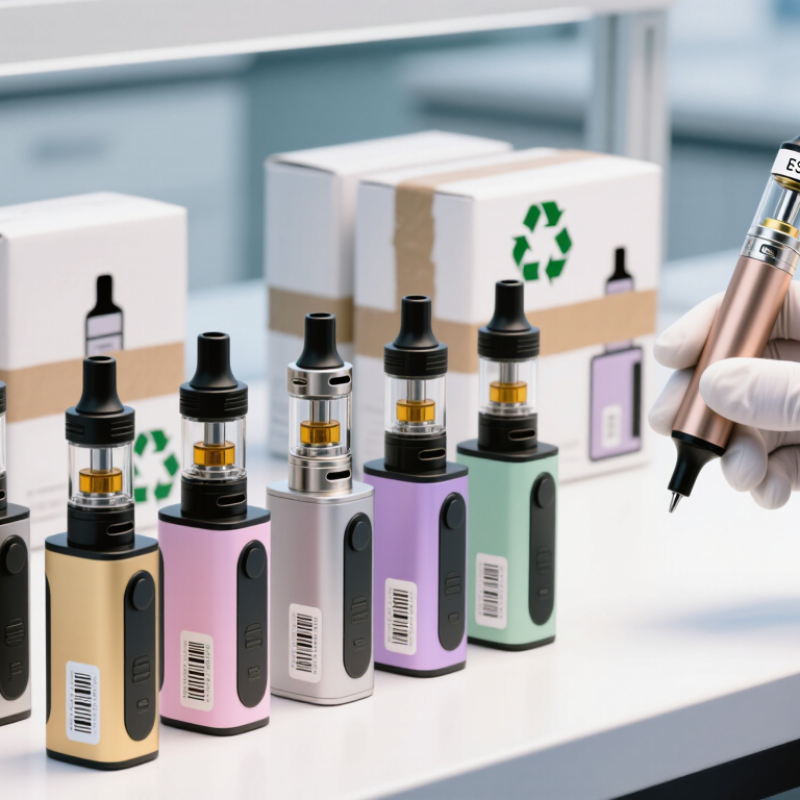
For many international consumers, choosing a Nicotine Free Vape begins with a practical question: what is inside the device? A clear answer should come from detailed ingredient lists, batch numbers, and accessible laboratory testing. Transparent manufacturers explain their formulas instead of relying on attractive packaging or vague wellness language. Buyers can inspect the label, compare third-party reports, and contact customer service before placing an order. Small details matter, such as sealed pods, readable expiry dates, and secure protective packaging.

Nicotine-free does not mean risk-free. Aerosol ingredients, flavor compounds, device materials, and manufacturing quality still deserve careful attention. Independent health authorities continue to examine the long-term effects of vaping, so responsible content should avoid promising safety or harmlessness. Regulations also differ between countries. Age restrictions, import rules, labeling standards, and shipping limitations may apply, even when a product contains no nicotine. Check local requirements first.

The decision is not always simple. Product claims can sound stronger than the available evidence. A reliable supplier should acknowledge uncertainty, publish current compliance information, and update customers when standards change. Global buyers may also consider recycling options, warranty support, and consistent product performance across batches. These factors create a more informed purchasing process. They do not remove every concern. Instead, they encourage realistic expectations, careful comparison, and respect for public-health guidance. For readers exploring nicotine-free alternatives, the following discussion examines quality, transparency, legal responsibility, and everyday usability without overstating the benefits.

Why Choose Nicotine Free Vape for Global Buyers?

What Is a Nicotine-Free Vape and How Does It Work?

A nicotine-free vape is an electronic device designed to produce an inhalable aerosol without added nicotine. Its liquid commonly contains propylene glycol, vegetable glycerin, flavorings, and sometimes other permitted ingredients. A rechargeable battery powers a small heating coil. The coil warms the liquid, creating a visible mist that users inhale. It does not create smoke from burning tobacco.

In practical use, the experience can feel mild, sweet, or slightly dry. A device may produce thicker clouds with higher vegetable glycerin content. Propylene glycol often creates a sharper throat sensation. However, nicotine-free does not mean risk-free. Aerosols can irritate the throat and lungs, while flavoring safety in food does not automatically prove inhalation safety. I would avoid describing these products as harmless. That wording is too confident, especially because long-term evidence remains limited. Labels may also require careful checking, and local rules differ between countries.

Tips: Check the ingredient list, nicotine statement, batch information, and age requirements before buying. Choose products from accountable suppliers with clear testing records. Keep devices away from children, pets, heat, and direct sunlight. Stop using one if you notice chest discomfort, persistent coughing, dizziness, or breathing changes. Never modify the battery or heating parts. A simple mistake can cause overheating. Global buyers should review import and consumer-safety rules before placing an order.

Why Choose Nicotine-Free Vape for Global Buyers?

Nicotine-free vape products are designed with a declared nicotine concentration of 0 mg/mL. For comparison, the European Union permits a maximum nicotine concentration of 20 mg/mL in regulated consumer e-liquids.

For international purchasing, buyers should check the ingredient declaration, batch information, and independent laboratory documentation. “Nicotine-free” refers to the stated product formulation and should not be interpreted as a guarantee that every product on the market is accurately labeled.

Reference: European Parliament and Council Directive 2014/40/EU, Article 20, which sets a 20 mg/mL maximum nicotine concentration for nicotine-containing e-liquids placed on the EU consumer market.

Key Reasons Global Buyers Consider Nicotine-Free Vaping

Global buyers often consider nicotine-free vaping because they want the ritual without intentionally consuming nicotine. This may appeal to adults avoiding nicotine dependence. However, inhalation is not automatically harmless. The World Health Organization’s 2024 electronic-cigarette briefing states that emissions may contain toxic substances, while product quality varies widely. Some products labeled nicotine-free have also been found to contain nicotine. Testing matters.

Independent verification is a key reason buyers compare nicotine-free products. They may request recent, batch-specific laboratory reports covering nicotine content, heavy metals, and contaminants. Clear ingredient lists and traceable manufacturing offer stronger evidence than attractive packaging. These checks are especially important across borders, where product standards and enforcement differ. A certificate from one old batch cannot represent every shipment.

Public-health concerns also influence purchasing decisions. The U.S. Centers for Disease Control and Prevention reported 2.13 million middle and high school students used e-cigarettes in 2023. This figure does not prove nicotine-free products caused youth use, but it shows why responsible adult access matters. Buyers may seek nicotine-free options to reduce exposure, yet flavors, heated materials, and aerosols still deserve scrutiny. Evidence on long-term nicotine-free vaping remains limited. That is uncomfortable, but honest. Responsible suppliers should explain what is known, what is uncertain, and whether local rules restrict sale or importation.

Common Ingredients and Product Types in Nicotine-Free Vapes

Why Choose Nicotine-Free Vape for Global Buyers?

Nicotine-free vapes usually contain propylene glycol, vegetable glycerin, flavorings, and sometimes distilled water. These liquids create throat sensation, sweetness, and visible aerosol. Product types include disposable devices, refillable pods, and larger tank systems.

A 0 mg/mL label should be supported by batch testing, not appearance alone. The UK Office for Health Improvement and Disparities reported in its 2022 evidence review that vaping exposes users to fewer toxicants than smoking, but it is not risk-free.

That distinction matters.

The National Academies’ 2018 review found that e-cigarette aerosol can contain potentially harmful substances, depending on ingredients and device temperature. Flavoring chemistry deserves attention. Food-safe does not automatically mean inhalation-safe.

Some buyers prefer simple liquids with fewer additives, while others choose cooling or fruit profiles. Personal experience can reveal irritation, dry mouth, or inconsistent flavor, but it cannot replace laboratory evidence.

Ask suppliers for ingredient lists, test dates, contaminant screening, and storage instructions. Labels can fail.

Regulators also differ: the European Union, United States, and other markets apply different rules to devices, liquids, packaging, and age controls. Global purchasing therefore requires checking the destination country’s current requirements before shipment.

Safety, Quality Standards, and Regulatory Considerations

Why Choose Nicotine Free Vape for Global Buyers?

Safety, Quality Standards, and Regulatory Considerations

Nicotine-free vape products may appeal to buyers seeking no nicotine intake. However, nicotine-free does not mean risk-free. Inhaled aerosols can still contain flavoring compounds, solvents, or particles. Buyers should examine ingredient lists before purchase. Clear labeling matters.

Quality begins with traceable manufacturing. Look for batch numbers, production dates, and independent laboratory reports. Testing should confirm nicotine absence and screen for heavy metals, contamination, and undeclared substances. A certificate alone is not enough. Its laboratory, test date, and sample details deserve careful review. Packaging should also resist leaks, with sealed pods and readable instructions.

Regulations differ widely between countries and sometimes between regions. Import rules, age restrictions, advertising limits, recycling duties, and device standards may all apply. Buyers should check official customs and health authority websites before ordering. Shipping availability does not prove legal approval. It only shows that a seller accepted the order. That distinction is easy to miss.

Reliable sellers explain storage, charging, disposal, and customer support procedures. Devices should include overcharge protection and clear electrical specifications. Yet marketing claims can remain vague. I would question phrases such as “completely harmless” or “universally compliant.” Product quality may also vary between batches, which makes continuing test records valuable. A cautious buyer keeps invoices and verifies the product on arrival. Unexpected odor, leakage, damaged seals, or missing documentation should stop use.

How to Evaluate Nicotine-Free Vape Products for Different Markets

Why Choose Nicotine-Free Vape for Global Buyers?

How to Evaluate Nicotine-Free Vape Products for Different Markets

A nicotine-free vape should be evaluated as a regulated consumer product, not merely a flavor device. Market rules differ sharply. The World Health Organization reports approximately 1.25 billion adult tobacco users worldwide in 2022, showing why local policies and consumer profiles matter. Check each destination’s rules on ingredients, advertising, packaging, age verification, waste, and import procedures before purchasing.

Start with independent laboratory evidence. Request batch-specific tests for nicotine content, solvents, heavy metals, carbonyl compounds, and microbial contamination. “Zero nicotine” needs proof. A peer-reviewed study in Tobacco Control detected nicotine in some products marketed as nicotine-free, although results varied by sample and method. Review the laboratory’s accreditation, test date, detection limits, and chain of custody. Do not trust a front-label claim alone.

Safety details also matter. The U.S. Centers for Disease Control and Prevention states that e-cigarette aerosol may contain harmful substances, including ultrafine particles and volatile organic compounds. Evaluate battery protection, leakage resistance, child-resistant packaging, clear instructions, and disposal guidance. Flavor preferences can change quickly across markets. So can expectations about throat feel and vapor volume. Data helps, but it is not perfect. A single survey may miss rural buyers or informal retail channels. That weakness deserves attention. Reliable suppliers should provide transparent documents, responsive quality support, and market-specific compliance checks rather than promising universal approval.

Why Choose Nicotine Free Vape for Global Buyers? - How to Evaluate Nicotine-Free Vape Products for Different Markets
Market Regulatory Screening Point Nicotine-Free Verification Data Product and Packaging Requirements to Check Battery, Shipping and Safety Data Buyer Evaluation Outcome
European Union Nicotine-containing e-cigarette products are subject to the Tobacco Products Directive, including a maximum nicotine concentration of 20 mg/mL. A product declared as nicotine-free should still be reviewed under applicable general product-safety, chemical, waste and national rules. Declared: 0 mg/mL
Require a batch-specific laboratory report showing nicotine as not detected or below the laboratory limit of quantification. Test both e-liquid and aerosol where relevant.
Confirm ingredient list, product traceability, warnings, age restrictions, language requirements and national packaging rules. Do not use therapeutic, cessation or health claims without the required authorization. Request battery specifications, overcharge and short-circuit protection data, transport classification and UN 38.3 test evidence for lithium batteries. Proceed after country-level review
Suitable for buyers that can document nicotine-free status and comply with EU and national requirements.
United Kingdom The Tobacco and Related Products Regulations set a maximum nicotine concentration of 20 mg/mL for regulated nicotine products. Nicotine-free products may fall outside some nicotine-specific rules, but consumer-product, advertising, packaging and waste obligations can still apply. Declared: 0 mg/mL
Require an independent certificate of analysis for every production batch, with the analytical method, detection limit, sample identification and test date clearly stated.
Use accurate “nicotine-free” wording. Avoid claims implying reduced health risk, medical benefit or smoking cessation unless legally supported. Check English labeling, responsible-person details and recycling information. Verify battery safety testing, charger compatibility, leakage resistance and packaging for individual units and transport cartons. Proceed with UK compliance review
Prioritize transparent testing, compliant claims and clear disposal instructions.
United States Federal and state requirements differ. The U.S. Food and Drug Administration regulates tobacco products and nicotine products, while state laws may separately address vaping products, flavors, sales channels, taxes and age restrictions. Declared: 0 mg/mL
Require third-party testing for nicotine, tobacco-specific nitrosamines where relevant, carbonyl compounds, heavy metals and microbial contamination. Keep batch records and retain samples.
Check federal product status, state-by-state sale restrictions, permitted claims, warning language, age-gating, online-sales controls and taxation. Do not assume that “nicotine-free” means “unregulated.” Confirm applicable battery safety documentation, shipping restrictions, leakage controls and product-liability insurance requirements. High due-diligence market
Approve only after a state-specific legal and commercial review.
Canada Nicotine vaping products are regulated under the Tobacco and Vaping Products Act, with a federal maximum nicotine concentration of 20 mg/mL for regulated vaping substances. Provincial and territorial rules may add restrictions. Declared: 0 mg/mL
Require laboratory confirmation of nicotine concentration, ingredient identity, batch number and manufacturing date. Testing should be performed using a validated quantitative method.
Check federal and provincial rules covering labeling, promotion, packaging, retail channels, age restrictions, flavors and environmental obligations. Verify electrical safety, battery protection, charger instructions, carton durability and transport documentation for lithium-ion cells. Market-by-market approval
Product acceptance depends on both federal requirements and the destination province or territory.
Australia Vaping-product regulation is strongly controlled at the federal and state or territory levels. Importation, supply, therapeutic claims, pharmacy channels and product presentation require specialist review. Declared: 0 mg/mL
Require a batch certificate of analysis for nicotine, ingredients, contaminants and consistency with the product specification.
Confirm whether the product is treated as a therapeutic good or another regulated product. Check permitted ingredients, packaging, claims, import permissions, supply channels and state-level restrictions. Check battery documentation, transport rules, child-safety design, leak testing and storage conditions for hot climates. Specialist review required
Do not ship or advertise before confirming the correct regulatory pathway.
Singapore Vaporisers and related components are prohibited for import, sale, possession and use under Singapore tobacco-control legislation. This prohibition is not removed by a “nicotine-free” claim. Nicotine testing does not overcome the market-access restriction. A laboratory report confirming 0 mg/mL is not sufficient for lawful sale or possession. Do not market, distribute or ship the product into Singapore without written confirmation from the relevant authorities that the intended activity is lawful. Check carrier restrictions separately; transport acceptance does not mean local importation or possession is permitted. Do not target for ordinary commercial sale
Treat as a restricted or prohibited destination unless a specific legal exemption applies.
Japan Nicotine-containing e-liquids and cartridges are subject to import and quantity controls under Japanese pharmaceutical and related regulations. Nicotine-free products still require review under consumer-product, electrical and advertising rules. Declared: 0 mg/mL
Require a Japanese-market test report or equivalent documentation confirming nicotine concentration and ingredient conformity.
Check Japanese-language labeling, product claims, import classification, electrical safety, recycling obligations and restrictions on medical or cessation claims. Verify battery safety, charging instructions, leakage resistance and compatibility with local electrical requirements. Import classification required
Use a local compliance review before commercial shipment.
General Global Buyer Benchmark A nicotine-free claim is a product attribute, not a universal exemption from regulation. The buyer should evaluate the destination country, sales channel, product format and intended claims separately. Recommended acceptance benchmark:
Nicotine: 0 mg/mL declared
Independent batch testing; documented analytical method; clear limit of quantification; no unexplained nicotine variance between batches.
Minimum document pack: ingredient specification, certificate of analysis, safety data sheet where applicable, labeling artwork, age-control plan, complaint procedure and product traceability record. Minimum safety pack: battery specification, protection-circuit data, charging instructions, leakage test, transport documentation and product recall procedure. Preferred supplier profile
Select products with verifiable nicotine-free testing, transparent ingredients, stable batch quality and destination-specific compliance documentation.
Important evaluation note: “Nicotine-free” should be supported by independent laboratory evidence rather than label wording alone. Regulatory requirements can change and may differ by country, state, province, territory, product format and sales channel. Buyers should obtain current legal advice before importation or commercial distribution.