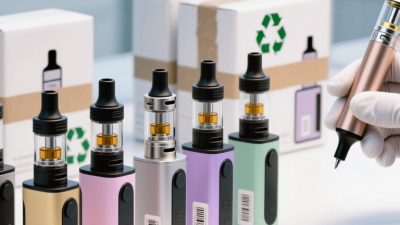
Choosing China-based suppliers for global purchasing requires more than comparing prices or product photos. Nicotine Free Vape products can differ in device design, materials, flavor options, quality controls, and documentation. A polished catalog is useful, but it is not proof of consistent manufacturing. Ask for current specifications, batch traceability, and independent test reports that support product and ingredient claims.
Details matter. Request clear photos of packaging, labels, connectors, and sample units. Confirm production capacity, lead times, quality inspection steps, and how defects are handled. For international orders, check whether the supplier can provide accurate shipping documents and information needed to assess requirements in each destination market. Rules and age-related restrictions vary, so buyers should verify current local requirements before placing orders. “Nicotine-free” should also be treated as a claim to substantiate, not an automatic assurance of safety. That distinction is easy to overlook.
Good suppliers answer specific questions with records, not only promises. Still, a sample cannot guarantee every future batch. Keep that in mind. This guide examines supplier selection through practical checks that procurement teams can repeat: reviewing evidence, comparing communication, and assessing whether quality controls match the intended order. The goal is not to crown one factory from a distance, but to help buyers make informed, responsible decisions and identify gaps before they become costly.
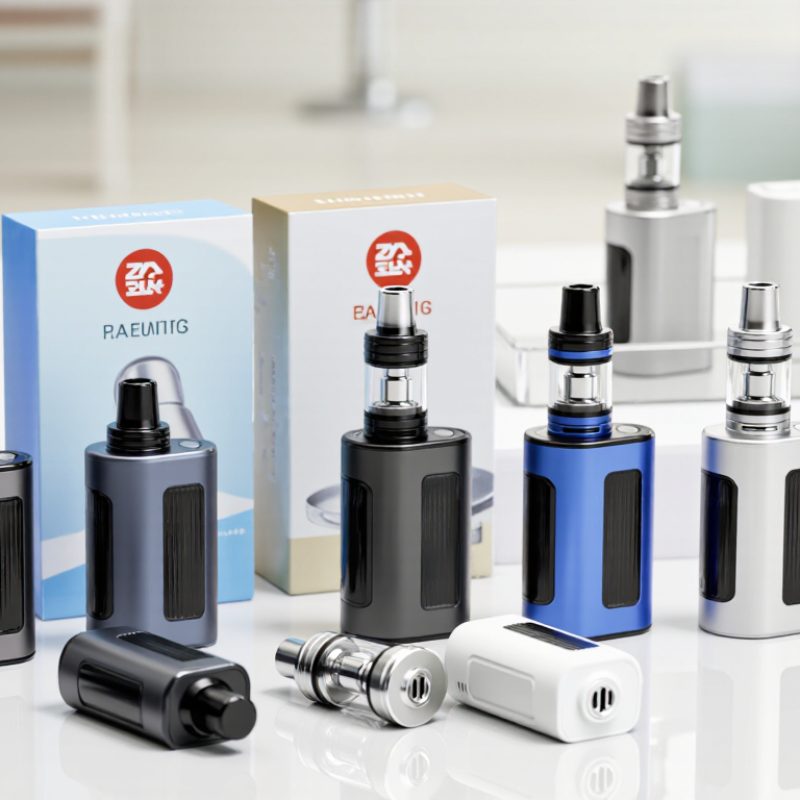
A nicotine-free vape is a device used with e-liquid formulated without added nicotine. A battery powers a small heating coil, which warms liquid drawn through a wick. The resulting aerosol is inhaled; it is not simply water vapor. Some liquids contain flavorings and other ingredients, so “nicotine-free” describes one ingredient, not the whole exposure. That distinction matters.
The U.S. National Academies’ 2018 report, Public Health Consequences of E-Cigarettes, found that e-cigarette aerosol can contain potentially harmful substances, even though exposure to many toxicants is generally lower than from combustible cigarette smoke. Lower does not mean harmless. Product labels also cannot replace testing: buyers should request independent laboratory results that verify nicotine content and screen for contaminants. A clear certificate is useful, but its testing scope should be checked.
Tips: Ask for batch-specific lab reports and confirm the test method. Check the ingredient list and storage guidance. If a supplier cannot explain its results plainly, pause. That small extra step is easy to overlook.

China’s nicotine-free vape manufacturing landscape draws on mature electronics, component, and assembly networks, especially in Guangdong. Suppliers may coordinate device molding, battery sourcing, filling, packaging, and quality checks under one production system. That can simplify sampling and production planning. It does not guarantee consistent quality.
Grand View Research estimated the global e-cigarette and vape market at US$26.8 billion in 2023, with projected growth of 30.6% annually from 2024 to 2030. This figure covers the wider category, not nicotine-free products alone. That distinction matters. Buyers should request batch-level testing for nicotine content, plus clear ingredient records and traceable lot numbers. They can also compare sample units for leakage, airflow, and packaging consistency before placing larger orders. Small details count.
Factory visits and independent testing can reveal gaps that a polished catalogue may hide. Ask who conducts testing, how often, and whether reports match the production batch. Documentation can vary. Some suppliers may offer strong hardware controls but less transparent liquid traceability, so buyers should verify both rather than relying on a single certificate.
A regulatory reference point for global buyers: nicotine concentration in a nicotine-free formulation is 0 mg/mL. The EU limit shown is the maximum concentration for nicotine-containing e-cigarettes, not a requirement for nicotine-free products.
Source: EU Tobacco Products Directive 2014/40/EU, Article 20(3)(b). Applicable regulations vary by destination market; buyers should verify product testing and local requirements.
Global buyers typically encounter three supplier types: direct manufacturers, OEM/ODM factories, and regional wholesalers. Manufacturers offer closer access to production details and batch records. OEM/ODM partners can adapt packaging or device specifications, but buyers should confirm who controls quality checks. Wholesalers may offer smaller orders and quicker delivery. Convenient, yes. Their product traceability can vary.
Grand View Research estimated the broader global e-cigarette market at USD 22.45 billion in 2023. Its report projected 30.6% annual growth from 2024 to 2030. This covers e-cigarettes generally, not nicotine-free products alone. Buyers should not treat market growth as proof of product quality. Ask for current, batch-specific laboratory results verifying nicotine content, plus clear ingredient and manufacturing records. Requirements differ across markets, so check local product and labeling rules before ordering. A neat catalog is not enough.
Tips: Request a sample and matching test documents before a large purchase. Check that batch numbers appear on both. Compare lead times, minimum order quantities, and written defect policies. One detail is easy to miss: the test report should identify the exact product tested.
| Supplier Type | Typical Products or Services | Common Sourcing Arrangement | Potential Advantages | Checks for Global Buyers | Often Suitable For |
|---|---|---|---|---|---|
| Direct device manufacturer | Vape devices, including disposable and rechargeable formats; some manufacturers also offer compatible nicotine-free liquid options. | Direct factory inquiry, sample evaluation, and production order based on the supplier’s available specifications. | Direct access to product specifications and production discussions; may offer more control over product configuration. | Confirm which products are made in-house, request current product specifications, and check quality-control procedures and destination-market requirements. | Importers and established distributors seeking direct manufacturing discussions. |
| OEM or ODM supplier | Contract manufacturing, product customization, packaging, or private-label services, depending on the supplier’s capabilities. | Buyer selects from available designs or discusses a custom specification, then agrees on samples, packaging, and production terms. | Can support product differentiation and packaging changes without the buyer operating a factory. | Clarify ownership of designs and artwork, permitted product claims, minimum order terms, sample approval, and responsibility for compliance documentation. | Retailers and distributors developing their own product range. |
| Nicotine-free e-liquid manufacturer | Liquid formulations marketed without nicotine, supplied in bulk or in finished packaging where available. | Bulk ingredient or finished-goods orders, subject to formulation, packaging, and export requirements. | Specialized focus on liquid formulation and related product information. | Request a full ingredient declaration and suitable independent laboratory testing. Verify that the testing covers nicotine content and matches the specific batch and destination rules. | Buyers sourcing liquid products separately from devices or seeking documented formulation details. |
| Wholesale or export distributor | Catalog products sourced from one or more manufacturers; may offer mixed product ranges and export coordination. | Catalog-based purchasing, often with consolidated ordering and shipment arrangements. | May simplify product selection and coordination for buyers who do not need direct factory sourcing. | Ask for the actual manufacturer, product traceability, current specifications, shipment terms, and documents required for the destination market. | Smaller buyers or importers looking for a broad catalog or consolidated sourcing. |
| Trading and sourcing company | Supplier identification, quotation coordination, product sourcing, and sometimes inspection or logistics support. | Buyer works through an intermediary that coordinates with one or more factories. | Can help coordinate communication and sourcing across multiple product categories. | Establish which party is the manufacturer and exporter, who handles quality issues, and what inspection and documentation services are included. | Buyers needing sourcing assistance or coordination across several suppliers. |
| Important verification note | “Nicotine-free” is a product claim, not a substitute for verification. Requirements for vaping products differ by country and may cover product composition, testing, packaging, labeling, advertising, importation, and sale. Check current rules in the intended market and obtain product-specific documentation before ordering. | ||||
For China-based nicotine-free vape suppliers, evaluate the factory behind the sales presentation. Ask for the production-site address, current quality certificates, and their scope. Check that each certificate covers the actual manufacturing site. The ISO Survey of Management System Standard Certifications recorded more than 1.2 million ISO 9001 certificates worldwide in 2022. That figure shows how widely the standard is used; it does not prove a particular factory performs well. Certificates are a starting point, not proof. Look closer.
Request recent batch records, defect rates, production capacity by shift, and evidence of equipment maintenance. Ask how the supplier checks nicotine content, aerosol consistency, and batch traceability, and whether an independent laboratory can verify test methods. Deloitte’s 2024 Smart Manufacturing Survey found that 86% of surveyed executives expected smart-factory initiatives to drive competitiveness over the next five years. For buyers, that makes production data worth inspecting, not merely hearing about. A showroom proves little. Review a pilot batch, compare its records with the approved sample, and confirm how subcontracting is controlled. No audit is perfect; a short visit can miss problems, so verify documents and samples independently.
For China-based nicotine-free vape suppliers, import checks should begin with the destination market, not the product catalogue. Rules differ, and “nicotine-free” does not automatically exempt a device from product or labeling requirements. WHO reported in 2023 that 34 countries banned e-cigarette sales, while 74 had no e-cigarette regulations. That uneven picture makes country-specific verification essential. Ask suppliers for a complete ingredient list, batch-linked laboratory results, and the test method and detection limit. Prefer reports from an ISO/IEC 17025-accredited laboratory. A certificate alone is not enough. Check that its product description and batch details match the shipment.
Before dispatch, confirm the applicable customs classification, declared product description, country-of-origin documents, and required local-language warnings. For devices with lithium batteries, request the UN 38.3 test summary and verify that packaging and transport documents match the battery configuration. The UN Manual of Tests and Criteria sets the relevant transport test framework; requirements still depend on route and carrier. Keep copies of approved artwork and final invoices. Small mismatches can delay clearance. I would not treat a polished supplier file as proof by itself; independent document checks matter, and even careful buyers can miss a changed component.