WARNING: This product contains nicotine. Nicotine is an addictive chemical. Our products are restricted to adults 21+ only.

Leave Your Message

How to Verify Mike Tyson Vape Products in 2026?

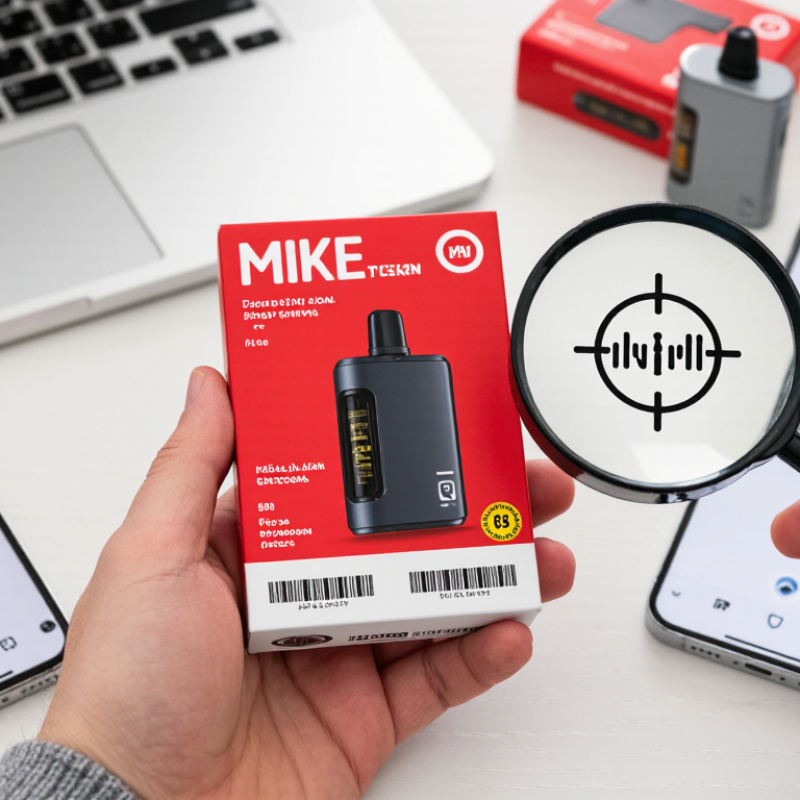
A convincing package is not proof of a genuine product. In 2026, verifying Mike Tyson Vape products means checking several details together, not trusting one logo or a polished online listing. Start with the packaging. Compare its spelling, print quality, product name, batch or lot code, and security features against information published by the brand or an authorized seller. Look closely. Blurry text, mismatched colors, broken seals, or codes that lead nowhere deserve caution.

Next, confirm the seller and product details through official brand channels. A scan code can help, but it is not conclusive; copied codes may appear on counterfeit items. Check whether the exact product, flavor, and package size are listed by a verifiable source. Keep the receipt and clear photos of the box, code, and purchase page. Those small records can make follow-up easier. If details conflict, pause rather than guessing.

This guide would be stronger with a source-verified comment from a named vape-industry authentication expert. No article or interview was supplied to verify such a quotation, so inventing one would undermine the trust this guide is meant to build. That gap matters. Verification should rely on traceable product information, seller confirmation, and careful documentation—not confident claims or attractive packaging. The checks described here offer a practical starting point, but they cannot guarantee authenticity on their own.
How to Verify Mike Tyson Vape Products in 2026?

Identify the Mike Tyson Vape Product and Its Official Brand

A celebrity image does not, by itself, prove a vape product is officially connected to that person. Start with the exact product name printed on the package, then find the company identified as its manufacturer or responsible seller. Details matter. Check that the spelling, product type, and packaging design match information on the company’s own verified website or account. Look closely.

Next, inspect the lot code, product identifier, and any QR code. Scan codes only to reach a page that clearly belongs to the named company; a polished page alone is not proof. Compare the package with official product photos, including the label placement, seal, and small-print details.

If the company does not confirm the product or its connection to the public figure, treat that claim as unverified. That distinction can feel frustrating, especially when packaging looks convincing.

I would not rely on retailer listings or fan posts as final evidence. Keep a clear photo of the package and note where it was purchased, so the company can check the specific item.
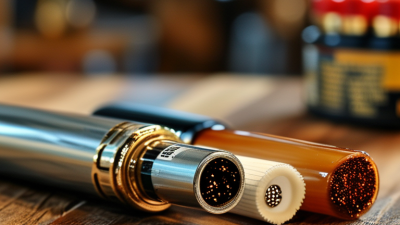
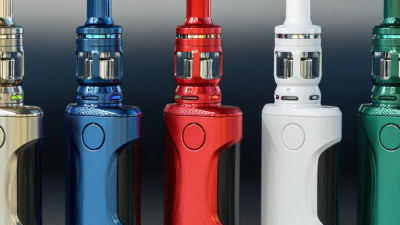
Inspect Packaging, Labels, Batch Details, and Required Warnings

To verify a vape product in 2026, inspect the package before opening it. Look for clean, consistent printing, intact seals, and matching product details on the box and device. Blurred text, spelling errors, loose seams, or a label placed over another label deserve caution. Small details matter. Packaging can be copied, though, so a polished appearance alone proves very little.

Read the label closely. Check that the product name, contents, manufacturer contact details, and batch or lot code are present and legible. The code should match wherever it appears on the package and device. Look for required health warnings, age restrictions, and use instructions; wording and placement may vary by location. A missing warning is a reason to pause, not to guess. You can ask the seller or manufacturer to confirm the batch through an independently verified contact channel. Keep the receipt and take clear photos of the packaging if anything seems inconsistent. I may overlook a tiny print difference, so no single check is decisive. If details cannot be verified, do not use the product; seek guidance from a qualified local health or consumer-safety resource.

Check Serial Numbers or QR Codes Through Verified Brand Channels

When checking a vape product marketed with a public figure’s name, start with its serial number or QR code. Use only verification channels reached through the product’s official packaging or independently confirmed official website. Type the web address yourself when possible; a QR code can lead to a convincing imitation page.

Enter the serial number exactly as printed, including letters and hyphens. Check that the result matches the product’s model, packaging, and stated production details. OECD and EUIPO estimated that counterfeit goods accounted for 2.5% of global trade in 2019. That broad estimate is not specific to vapes, but it shows why a copied-looking label deserves care.

A valid-looking scan is not proof alone.

Watch for scratched codes, duplicate serials, spelling errors, or pages asking for unnecessary personal details. If the code fails, contact support through a verified channel and share clear photos of the package and code. I would not treat a green check as a verdict; verification pages can be confusing, and I may miss a subtle mismatch. Pause when details conflict. Don’t rely on seller screenshots or links sent in a message.

Assess the Seller, Receipts, and Product Documentation

How to Verify Mike Tyson Vape Products in 2026?

When checking a vape product marketed with Mike Tyson’s name, assess the seller before trusting the packaging. Look for a verifiable business address, clear contact details, and a written returns policy. Be cautious if the seller uses pressure tactics or offers unusually steep discounts. A polished box is not proof. Save the listing and take photos of the package, seals, and label before opening it.

Compare the receipt with the product in hand. It should show the purchase date, seller, product description, and amount paid. Check that the model or batch details match the packaging and any accompanying documentation. Use contact information found independently to ask the manufacturer or authorized support channel whether those details can be confirmed. A QR code alone proves little; it may lead to an unrelated page. If details conflict, pause and request clarification.

Tips: Keep the receipt, order confirmation, and clear label photos together. Don’t share serial numbers publicly. If the seller cannot explain missing paperwork, treat that as a warning, not a minor inconvenience. I’d also avoid relying on online comments alone; they can be useful clues, but they are not verification.

How to Verify Mike Tyson Vape Products in 2026? — Assess the Seller, Receipts, and Product Documentation
Verification area Evidence to inspect How to check it What to look for
Seller identity and authorization A verifiable business address, working contact details, and evidence that the seller is authorized to sell the specific product. Contact the relevant rights holder or authorized distribution channel using contact details found independently, not only details supplied by the seller. Stronger evidence: the seller and sales channel can be independently confirmed. Caution: a professional-looking website alone does not establish authorization.
Age and local sales requirements Age-verification process and any required sales or product disclosures. Check the rules that apply where the product is sold and where it will be used; requirements vary by jurisdiction and product type. Legitimate sellers should follow applicable age restrictions and sales rules. Do not assume that a product sold online is lawful to purchase or use everywhere.
Itemized receipt A dated receipt showing the item description, quantity, price, seller details, and transaction or order reference. Compare the receipt with the order confirmation and payment record. Ask the seller to correct missing or inconsistent details. Stronger evidence: the records agree and can be tied to the seller. Caution: a receipt supports purchase history but does not, by itself, prove authenticity.
Packaging and identifiers Product name, packaging details, lot or batch code, and any serial number or scannable code supplied with the item. Check that identifiers are legible and consistent across the package, device, and accompanying documents. Confirm codes through an independently verified official channel where available. A QR code or matching-looking label is not conclusive proof; codes can be copied, and not every product has a public verification database.
Product documentation Instructions, ingredient or contents information, warnings, and any required product disclosures. Compare the documents with the exact product and market. Check that the information is readable, internally consistent, and appropriate for the product type. Missing, contradictory, or apparently altered documentation is a reason to pause and request clarification before use.
Laboratory or test records, if applicable A test report that identifies the product or batch, test date, laboratory, and results relevant to the product category. Verify the report directly with the issuing laboratory or through a reliable official lookup method, if one exists. Confirm that the report matches the package’s batch or lot code. A generic report, an unrelated batch number, or a report that cannot be independently checked does not verify the item in hand.
Condition and tamper evidence Seals, packaging condition, visible damage, leakage, and device condition. Inspect the item before use. Compare its condition with the seller’s description and the supplied instructions. Do not use an item with a broken seal, leakage, unexplained damage, or signs of alteration; contact the seller for guidance.
Price and sales claims Advertised price, discounts, product claims, and promises of guaranteed authenticity. Compare the offer with other independently verifiable listings and ask for documentation supporting unusual claims. An unusually low price or pressure to pay through an irreversible method is a warning sign, not proof of counterfeiting.
Final decision Seller verification, purchase records, matching product identifiers, and consistent documentation. Keep copies of the receipt, listing, packaging, and correspondence. If important details cannot be verified, do not rely on the seller’s assurance alone. No single check guarantees authenticity. Requirements and verification resources can change; confirm current information for the relevant product and jurisdiction in 2026.

Review Safety, Regulatory Status, and Possible Counterfeit Signs

A vape product’s appearance cannot establish that it is safe or genuine. Check the package for a readable batch number, production date, ingredient list, nicotine disclosure, and manufacturer contact details. Compare these details with information from an official product registry or the relevant health regulator in your location. Requirements can change, and availability does not prove authorization. Check the current rules.

Look closely at the seal, printing, and label. Blurred text, spelling errors, mismatched batch codes, damaged packaging, or missing warnings are reasons to pause. A QR code is not proof by itself; it can lead to a copied or unrelated webpage. Contact the listed manufacturer through independently verified contact details, not just a number printed on the box. Even careful checks have limits.

Do not use a product if its contents or source cannot be confirmed. Stop if it leaks, smells unusual, or has a damaged battery, and seek guidance from a qualified health professional if exposure causes symptoms. A tidy package can still hide uncertainty. I find this part easy to overlook: official records may not cover every product format, and an online seller’s assurances are not independent evidence. When in doubt, keep the item unused and ask the relevant regulator for guidance.

How to Verify Vape Products in 2026: Safety and Regulatory Checklist

U.S. verification checkpoints—not a product-specific approval or safety rating.

Each bar marks a checkpoint to verify: FDA marketing authorization, the federal minimum sales age of 21, nicotine warning-label requirements where applicable, and state or local rules. A marked checkpoint does not mean a product has passed it. Check current official sources; authorization does not mean risk-free.