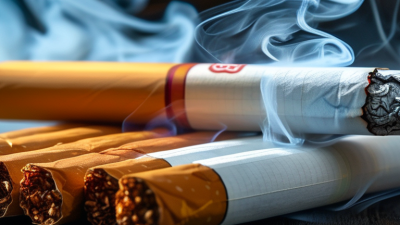
A Cigarette is a paper-wrapped tobacco product designed to burn and produce inhaled smoke. Its familiar form can look simple: a narrow paper tube, tobacco filling, and sometimes a filter. Yet construction and labeling vary, and those differences do not make smoking safe. This introduction explains common cigarette types while keeping health evidence central.
Common categories include filtered and unfiltered cigarettes, menthol and non-menthol varieties, and products marketed as slim or light. These labels describe design or flavor, not reliable measures of health risk. The World Health Organization’s WHO Report on the Global Tobacco Epidemic 2023 estimated about 1.25 billion tobacco users worldwide in 2022. WHO also reports that tobacco causes more than eight million deaths each year. The scale is sobering. A label cannot show every risk.
Historical evidence matters, too. In the 1964 U.S. Surgeon General’s report, Surgeon General Luther Terry stated: “Cigarette smoking is a health hazard of sufficient importance in the United States to warrant appropriate remedial action.” That conclusion helped establish a foundation for public-health guidance. Still, categories can be confusing; product names sometimes suggest distinctions that matter less than people assume. This guide will define the main types, explain how they differ, and separate marketing language from evidence. Its purpose is understanding—not encouraging use.
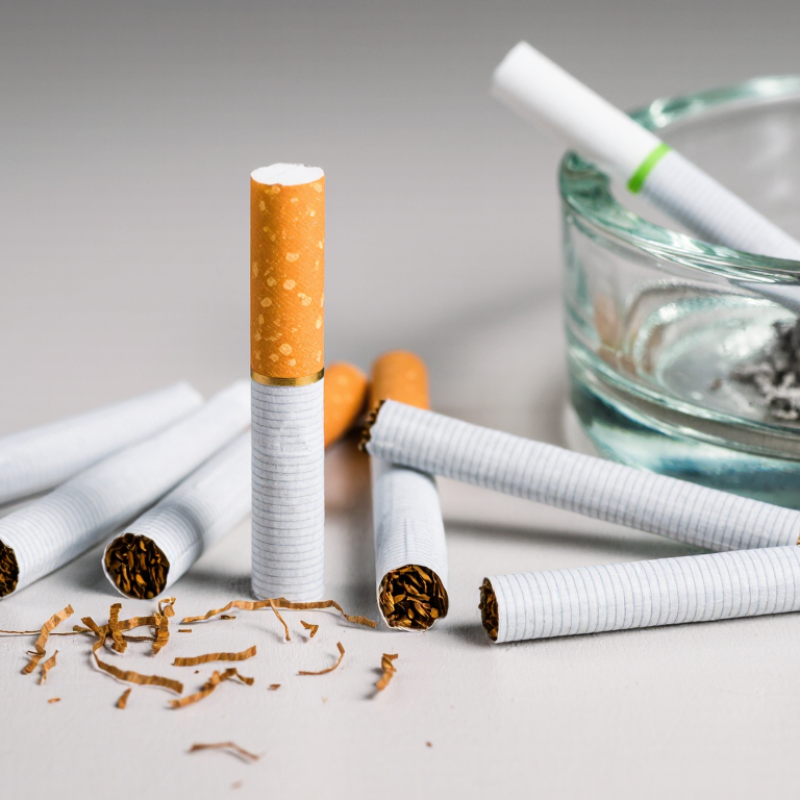
A cigarette is a narrow, paper-wrapped cylinder designed to be lit at one end. Its central part, called the tobacco filler, contains cut tobacco leaves. The paper holds the filler in place and burns as the cigarette is used. At the opposite end, many cigarettes have a filter made from porous material, commonly cellulose acetate. Small ventilation holes may be present near the filter. They allow air to mix with smoke, though they do not make smoking safe. Simple structure. Real effects are not simple.
A cigarette may also contain moisture-retaining or flavor-related additives, depending on its composition. Adhesive helps seal the paper seam and attach the filter. These parts can look ordinary: loose brown strands inside white paper, a firm tip, and a faint seam along the side. But appearance tells little about what happens during burning. Heat produces smoke containing nicotine and other harmful substances, which can enter the lungs. Nicotine is addictive, and smoking increases the risk of serious disease. The exact design varies, so a basic diagram cannot describe every product. It is also easy to mistake a filter for protection; that assumption deserves a second look.

What Is a Cigarette and What Are Its Types?
How Cigarettes Are Manufactured and Used
A cigarette is a narrow paper tube containing shredded, processed tobacco. Some types have filters; others do not. In manufacturing, tobacco leaves are dried or cured, sorted, and cut into fine pieces. Producers then form the tobacco into a paper cylinder, attach a filter when included, and inspect the finished product for consistent size and weight. Packaging follows. This overview is simplified; production methods can vary.
When lit, a cigarette burns and produces smoke that the user inhales. Smoke also spreads into the surrounding air. It contains harmful chemicals, and nicotine can cause dependence. A neat factory line can make the process look cleaner than its health effects. That contrast is worth considering. Quality checks may help ensure a product is made consistently, but they do not make smoking safe.
Tips: Avoid starting, and keep cigarettes and lighters away from children. If you smoke and want to stop, a healthcare professional can discuss evidence-based support. Avoid exposing others to cigarette smoke.
Cigarettes are often grouped by how they are made, shaped, or flavored. Factory-made cigarettes usually contain processed tobacco wrapped in paper, with a filter at one end. Some are unfiltered, while others have slimmer shapes or different filter designs. These features change the feel or draw, but they do not make smoking safe. Not safer.
Menthol cigarettes contain a flavoring that creates a cooling sensation. “Light” and “mild” labels have also been used for cigarettes with different design features, but they do not mean lower health risk. Roll-your-own cigarettes are made by hand from loose tobacco and paper. Their size and tobacco amount can vary, yet the smoke still carries harmful chemicals. The categories can overlap: a cigarette may be slim, filtered, and menthol-flavored at once. It is easy to focus on the wrapper or filter and overlook what burning tobacco releases. All combustible cigarettes expose users to toxic substances and increase the risk of serious disease. The details matter, but they can also distract from that central fact.
| Type | What it is | Typical features | Important notes |
|---|---|---|---|
| Filter cigarette | A manufactured cigarette with a filter attached to the mouth end. | The filter is commonly made from cellulose acetate and may alter the feel of the smoke. | A filter does not make smoking safe or eliminate exposure to harmful substances. |
| Unfiltered cigarette | A cigarette made without a filter. | Tobacco smoke passes directly from the tobacco rod to the smoker. | It still exposes smokers to toxic and cancer-causing substances; the absence of a filter is not a reliable measure of individual risk. |
| Menthol cigarette | A cigarette containing menthol or another source of menthol flavor. | Menthol can create a cooling sensation and change the perceived taste of smoke. | The cooling sensation does not make smoking less harmful. Rules on menthol cigarettes vary by jurisdiction. |
| “Light” or low-yield cigarette | A cigarette historically marketed or described as having lower machine-measured tar or nicotine yields. | Some designs used filter ventilation, which can dilute smoke in machine tests. | These labels can wrongly suggest reduced risk. Smokers may compensate by inhaling more deeply or smoking more; “light” cigarettes are not a safe alternative. |
| Roll-your-own cigarette | A cigarette made by hand using loose tobacco and cigarette paper, sometimes with a separate filter. | Size, tobacco amount, paper, and filter can vary from one cigarette to another. | Hand-rolling does not remove the health risks of burning and inhaling tobacco. |
| Clove cigarette (kretek) | A cigarette made with tobacco and cloves or clove-derived ingredients. | It may have a distinctive aroma and can be manufactured with or without a filter. | It is a combustible tobacco product and is harmful. Its legal status and availability differ among countries. |
| Slim or thin cigarette | A cigarette with a narrower diameter than many standard-sized cigarettes. | The term describes physical shape, not a standardized level of nicotine or tar exposure. | A slimmer appearance does not establish that a cigarette is safer. |
| Bidi (beedi) | A small South Asian tobacco product in which tobacco is wrapped in a leaf, commonly a tendu leaf, and tied with thread. | Many bidis are unfiltered and may require frequent puffing to keep them lit. | Bidi smoke contains harmful substances; exposure varies with the product and smoking behavior. |
| Cigarette: general definition | A cigarette is a product made from tobacco intended to be burned and its smoke inhaled. Cigarettes may differ in construction, size, flavor, and filter, but none is a safe form of smoking. | ||
Note: Product definitions and regulations can differ by country. All combustible tobacco products expose users to harmful substances.
What Is a Cigarette and What Are Its Types?
Cigarettes differ in size, filter design, paper, and tobacco blend. Common forms include standard, slim, filtered, and unfiltered products; some also use menthol or other flavor ingredients. A filter’s material and tiny ventilation holes can change smoke delivery, while paper porosity affects how quickly the cigarette burns. Small differences matter. Yet appearance alone cannot show a product’s full contents or health effects.
Design can also affect how people inhale. The US National Cancer Institute’s Monograph 13 explains that machine-measured tar and nicotine yields do not reliably predict what a person absorbs; smokers may compensate by taking deeper or more frequent puffs. The report cautions against treating “low-yield” design features as a reliable measure of reduced exposure. WHO’s 2023 global tobacco report estimated 1.25 billion tobacco users worldwide in 2022, underscoring the scale of the health issue. These figures describe population-level harm, not the risk of one particular design. I find that distinction easy to overlook.
Tips: Compare stated ingredients and construction details, not just labels or size. No filter style makes smoking safe.
Common cigarette formats by approximate length
King-size cigarettes are commonly about 84 mm long; “100s” and “120s” are approximately 100 mm and 120 mm. These nominal lengths include the filter and may vary by market and product. Length describes format—not tobacco quantity or nicotine delivery. Cigarettes can also differ in tobacco blend, paper, filter, diameter, and added flavorings.
A cigarette is a paper tube containing tobacco, designed to be burned and inhaled. Common forms include filtered, unfiltered, menthol, and hand-rolled cigarettes. A filter does not make smoking safe. Burning tobacco releases nicotine and many harmful chemicals. Health authorities link smoking to cancers, heart disease, stroke, and chronic lung disease. Smoke can also harm people nearby.
Regulations differ by country and may include health warnings, minimum-age rules, smoke-free indoor spaces, advertising limits, and tobacco taxes. These measures can reduce exposure and discourage young people from starting, but they cannot remove the health risks of smoking. Rules also need consistent enforcement and clear public information. It is easy to assume regulation solves the problem. It does not.
Tips: If you smoke, ask a qualified health professional about evidence-based ways to quit; support and treatment can help. Avoid exposing others to indoor smoke, especially children. Check local public-health guidance, since rules and services vary. Quitting can be difficult, and setbacks happen. That matters.